
Anúncios
Embroidery has evolved from a traditional craft into a modern digital skill, and now you can learn it anytime, anywhere using a dedicated mobile application.


Whether you’re a complete beginner curious about needle and thread or an experienced crafter looking to refine your techniques, mobile technology has opened up incredible opportunities for learning embroidery. The convenience of having tutorials, patterns, and step-by-step guides right in your pocket has transformed how people approach this timeless art form.
Anúncios
The beauty of learning embroidery through an app lies in its flexibility and accessibility. You can practice during your lunch break, follow video demonstrations at your own pace, and access a vast library of designs without leaving your home. This modern approach respects the heritage of embroidery while embracing the possibilities of digital learning.
🧵 Why Choose an App to Learn Embroidery?
Traditional embroidery classes can be expensive, time-consuming, and geographically limited. An embroidery app eliminates these barriers by bringing expert instruction directly to your smartphone or tablet. You’re no longer constrained by class schedules or location—the learning happens on your terms.
Anúncios
Apps designed for embroidery education typically offer interactive features that printed books or static websites simply cannot match. You can zoom in on intricate details, pause video tutorials at critical moments, and replay difficult sections until you master the technique. This level of control accelerates the learning process significantly.
Another compelling advantage is the constant updates and fresh content. Unlike physical books that become outdated, quality embroidery apps regularly add new patterns, techniques, and seasonal designs. You’re essentially getting a continuously expanding library of resources for a one-time download or subscription.
✨ Essential Features to Look for in an Embroidery App
Not all embroidery applications are created equal. The best ones combine comprehensive tutorials with practical tools that support your creative journey. When selecting an app, prioritize those offering high-quality video demonstrations that show each stitch from multiple angles.
Pattern libraries represent another crucial feature. Look for apps with hundreds or even thousands of designs across various difficulty levels and styles. From simple floral motifs to complex geometric patterns, diversity in the pattern collection ensures you’ll never run out of inspiration.
Interactive stitch guides are invaluable for beginners. These features should include detailed illustrations of each stitch type, with names, purposes, and step-by-step instructions. Some advanced apps even offer augmented reality features that overlay stitching guides onto your actual fabric through your device’s camera.
Progress tracking helps maintain motivation and organization. Quality apps allow you to save favorite patterns, mark completed projects, and even set learning goals. This gamification element makes the learning process more engaging and rewarding.
🎨 Getting Started: Your First Steps with the App
After downloading your chosen embroidery app, take time to explore its interface before picking up needle and thread. Familiarize yourself with the menu structure, pattern categories, and tutorial sections. Most apps offer a beginner’s pathway that introduces fundamental concepts in a logical sequence.
Start with the basic stitch tutorials. The running stitch, backstitch, and satin stitch form the foundation of embroidery work. Watch each tutorial completely before attempting the stitch yourself. Pay attention to hand positioning, thread tension, and needle angle—these details make the difference between amateur and polished work.
Gather your essential supplies before diving into your first project. You’ll need embroidery hoops in various sizes, embroidery needles (sizes 7-10 are versatile for beginners), embroidery floss in assorted colors, and fabric suitable for embroidery practice. Cotton or linen blends work wonderfully for learning.
Choose a simple first project from the app’s beginner section. Small designs like flowers, leaves, or geometric shapes allow you to practice fundamental stitches without feeling overwhelmed. Completing these starter projects builds confidence and muscle memory.
📱 Maximizing Your Learning Experience
Create a dedicated learning environment where you can comfortably work with both your embroidery materials and your mobile device. Good lighting is essential—position yourself near a window during daytime or use a quality desk lamp for evening sessions.
Use a tablet stand or phone holder to keep your device at eye level while your hands remain free for stitching. This setup allows you to follow video tutorials without constantly pausing to pick up your phone. Some crafters find that Bluetooth headphones help them focus on audio instructions while working.

Practice consistently rather than sporadically. Even fifteen minutes of daily embroidery yields better results than occasional marathon sessions. Regular practice develops the fine motor control and thread tension awareness that characterize skilled embroiderers.
Don’t rush through projects to reach advanced techniques. Mastering the basics creates a strong foundation for complex work. If a particular stitch proves challenging, repeat it across a practice cloth until it becomes second nature.
🌟 Understanding Different Embroidery Stitches
The running stitch is often the first technique taught in embroidery apps. This simple in-and-out motion creates a dashed line effect perfect for outlines and decorative borders. Despite its simplicity, the running stitch appears in both traditional and contemporary embroidery designs.
The backstitch produces a solid, continuous line ideal for text, outlines, and detailed work. This stitch is stronger than the running stitch and creates professional-looking results. Many embroidery apps feature projects specifically designed to build backstitch proficiency.
Satin stitch fills areas with smooth, parallel stitches that create a lustrous surface. This technique requires practice to maintain consistent tension and coverage, but the results are stunning. Most apps include video tutorials showing how to achieve that signature satin sheen.
French knots add delightful texture and dimension to embroidery pieces. These small, raised dots represent flower centers, snowflakes, or decorative accents. The technique involves wrapping thread around the needle before inserting it back into the fabric—a maneuver that becomes intuitive with video guidance.
Chain stitch creates a linked, rope-like line perfect for borders, text, and floral stems. This versatile stitch appears in embroidery traditions worldwide. Apps often demonstrate both standard chain stitch and variations like lazy daisy stitch for flower petals.
🎯 Choosing and Transferring Patterns from Your App
Most embroidery apps offer pattern transfer guidance alongside their design libraries. The transfer process moves the design from your screen onto fabric, creating a stitching roadmap. Several methods exist, each with advantages depending on fabric type and pattern complexity.
The tracing method works well for light-colored fabrics. Print or display the pattern, place your fabric over it on a bright surface or light box, and trace the design with a water-soluble marking pen. Many apps allow you to adjust pattern size before printing or displaying.
Transfer paper provides another reliable option. Print your chosen pattern, place transfer paper between the pattern and fabric, then trace over the lines with a stylus or empty ballpoint pen. The pressure transfers the design onto your fabric.
For dark fabrics, the pounce method or iron-on transfers work best. Some apps partner with printing services that produce custom iron-on transfers of app patterns, simplifying the process considerably.
💡 Troubleshooting Common Beginner Challenges
Thread tangling frustrates many beginners. Prevent this by using shorter thread lengths (about 18 inches), conditioning your thread with beeswax or thread conditioner, and allowing your needle to hang freely occasionally to untwist the thread. Most embroidery apps address this common issue in their FAQ or troubleshooting sections.
Uneven stitch tension creates puckered or loose embroidery. This challenge resolves with practice, but using an appropriately sized hoop and maintaining consistent hand pressure helps. Video tutorials in quality apps demonstrate proper tension through close-up footage.
Fabric puckering around stitches indicates excessive tension or improper hooping. Ensure your fabric sits taut but not stretched in the hoop. Some apps include specific tutorials on proper hooping techniques for different fabric weights.
Color selection can overwhelm newcomers facing hundreds of floss options. Start with color schemes suggested in app patterns before experimenting with custom palettes. Many apps offer color simulation features that let you preview different color combinations digitally before purchasing supplies.
🌈 Exploring Different Embroidery Styles Through Your App
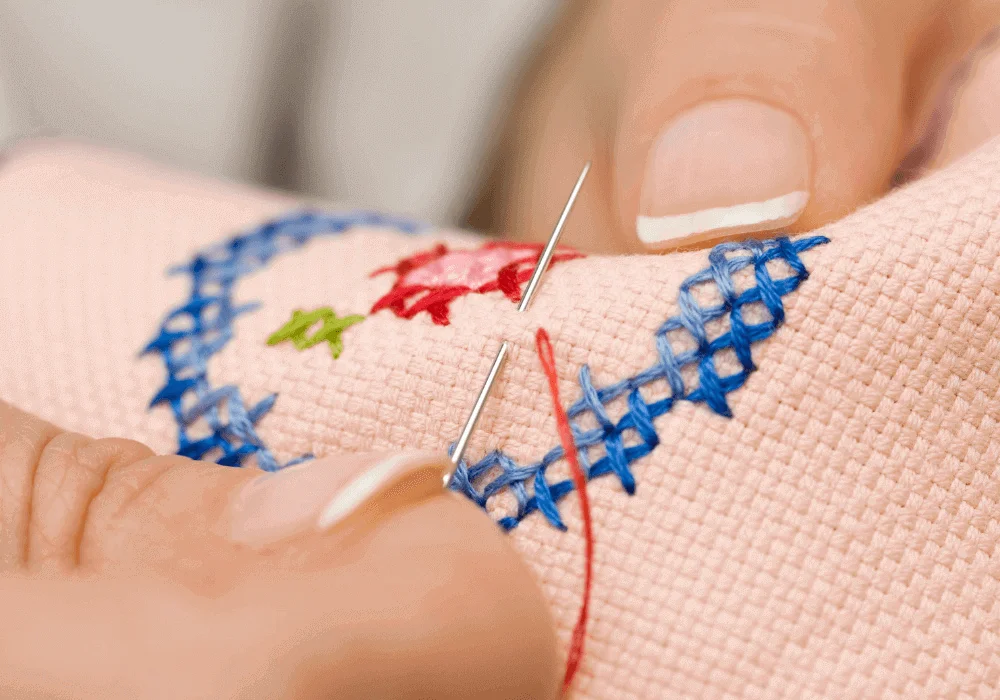
Cross-stitch represents one of the most popular embroidery forms, characterized by X-shaped stitches creating pixelated designs. Many embroidery apps include cross-stitch sections with charted patterns and tutorials. This technique is particularly beginner-friendly due to its repetitive, methodical nature.
Crewel embroidery uses wool thread on linen or cotton twill, creating rich, textured designs often featuring natural motifs. Apps specializing in comprehensive embroidery education typically cover crewel techniques, including the unique stitches and shading methods this style employs.
Blackwork embroidery creates striking monochromatic designs using black thread on white fabric. This geometric style originates from Tudor England and remains popular for its elegant, graphic appearance. Digital apps excel at presenting blackwork patterns since the high-contrast designs display beautifully on screens.
Contemporary embroidery embraces modern designs, unconventional materials, and mixed media approaches. Many apps showcase contemporary artists and their innovative techniques, inspiring learners to develop their unique style beyond traditional patterns.
🛠️ Building Your Embroidery Toolkit
Quality needles make embroidery more enjoyable. Embroidery needles feature larger eyes to accommodate multiple thread strands and slightly blunt tips to slip between fabric threads without splitting them. Stock various sizes since different projects and thread weights require different needles.
Embroidery hoops keep fabric taut and accessible while stitching. Wooden and plastic hoops each have advantages—wooden hoops grip fabric firmly but may snag delicate materials, while plastic hoops offer gentler tension. Apps often recommend hoop sizes appropriate for specific patterns.
Embroidery floss is typically six-stranded cotton thread that you can separate into individual strands for fine work or use together for bold stitching. Quality brands maintain consistent color and texture. Some apps provide shopping lists with recommended brands and color codes for their patterns.
Fabric scissors dedicated exclusively to thread and fabric stay sharper longer. Small, sharp embroidery scissors allow precise snipping close to your work. Keep a separate pair for paper and other materials.
📚 Progressing from Beginner to Intermediate
Once you’ve mastered basic stitches and completed several simple projects, intermediate techniques await. Apps typically organize content by skill level, making progression intuitive. Intermediate work introduces shading techniques, dimensional stitches, and more complex compositions.
Long and short stitch creates realistic shading by varying stitch lengths to blend colors gradually. This technique appears frequently in floral embroidery and nature scenes. Video demonstrations are particularly valuable here since subtle technique variations significantly impact results.
Stumpwork adds three-dimensional elements to embroidery through padded areas, detached stitches, and wire-supported components. This advanced technique produces stunning sculptural effects. Apps featuring stumpwork typically provide detailed material lists and specialized instruction.
Combining stitches elevates your work from beginner samplers to sophisticated art pieces. Intermediate projects in quality apps teach how to select appropriate stitches for different design elements and create visual interest through varied texture.
🎁 Practical Applications for Your New Skills
Personalized gifts gain special meaning when hand-embroidered. Monogram handkerchiefs, customize tote bags, or embellish clothing items for friends and family. Many apps include alphabet patterns and monogram designs specifically for personalization projects.
Home décor items showcase your embroidery skills while enhancing your living space. Create decorative pillows, wall hangings, table runners, or framed art pieces. Apps often feature seasonal patterns perfect for rotating décor throughout the year.
Clothing embellishment transforms plain garments into unique fashion statements. Add floral details to jacket collars, embellish jeans pockets, or create intricate designs on shirt cuffs. Some apps specialize in wearable embroidery with patterns specifically scaled and designed for clothing placement.
Jewelry and accessories represent another creative outlet for embroidery skills. Embroider fabric pendants, create decorated earrings, or embellish headbands and hair accessories. Miniature embroidery projects perfect for jewelry require precise technique that apps can teach through detailed close-up videos.
🌍 Joining the Digital Embroidery Community
Learning embroidery through an app doesn’t mean learning alone. Most quality apps include community features where users share completed projects, ask questions, and exchange tips. These communities provide motivation, inspiration, and troubleshooting assistance.
Social media integration allows you to share your progress and connect with embroiderers worldwide. Follow hashtags related to your app or embroidery in general to discover talented artists and new techniques. This global perspective enriches your learning experience beyond the app’s content.
Some apps host challenges or themed events encouraging users to complete specific projects or try new techniques. Participating in these community activities pushes your skills forward while connecting you with fellow learners at similar stages.
Don’t hesitate to share your work, even as a beginner. The embroidery community is notably supportive and encouraging. Positive feedback fuels motivation, while constructive suggestions help you improve.
🚀 Taking Your Embroidery Journey Forward
As your skills develop, consider exploring specialized areas of embroidery that particularly interest you. Some practitioners focus on historical reproduction, recreating embroidery styles from specific eras. Others pursue contemporary art embroidery, pushing creative boundaries with unconventional materials and concepts.
Documentation of your progress creates a valuable personal reference and showcases your development. Photograph completed projects, note which techniques you’ve mastered, and record ideas for future work. Many apps include portfolio features for organizing this documentation digitally.
Eventually, you might design your own patterns rather than following app designs exclusively. Start by modifying existing patterns—changing colors, adding elements, or combining features from multiple designs. Apps with design tools or blank canvases facilitate this creative evolution.
Teaching others reinforces your own skills while sharing this rewarding craft. Once you’ve achieved proficiency, consider leading local workshops, creating tutorial content, or mentoring other app users through community features. Teaching deepens understanding and connects you more firmly to the embroidery tradition.
✂️ Maintaining Your Embroidery Practice
Consistent practice maintains and develops your embroidery skills. Set realistic goals—perhaps completing one small project weekly or dedicating specific time slots to learning new stitches. Apps with reminder features help you maintain regular practice schedules.
Proper supply storage preserves your materials and keeps your workspace organized. Store embroidery floss by color family, keep needles in a dedicated case, and protect fabric from dust and sunlight. Organization makes sitting down to stitch more appealing since everything is readily accessible.
Care for completed embroidery properly to preserve your hard work. Most embroidery can be gently hand-washed in cool water with mild soap, then laid flat to dry. Apps sometimes include care instructions specific to different thread and fabric combinations.
Continue exploring new techniques and styles even after mastering basics. The embroidery world is vast, with endless regional traditions, historical methods, and contemporary innovations to discover. Quality apps regularly update content, providing ongoing learning opportunities for experienced users.
🎊 Embracing the Meditative Quality of Embroidery
Beyond creating beautiful objects, embroidery offers significant mental health benefits. The repetitive motion of stitching produces a meditative state similar to mindfulness practices. Many practitioners report reduced anxiety and improved focus through regular embroidery sessions.
Learning through an app supports this meditative quality by eliminating the pressure of classroom performance or keeping pace with other students. You can work as slowly or quickly as feels comfortable, repeating sections without judgment until you achieve satisfaction.
The tactile nature of embroidery provides sensory grounding that many find calming in our increasingly digital world. Ironically, while you’re learning from a screen, the actual craft connects you to physical materials and traditional handwork methods used for centuries.
Completing embroidery projects delivers profound satisfaction. In a world where much work feels intangible or never-ending, finishing an embroidered piece provides concrete evidence of your effort and skill. This tangible accomplishment boosts confidence and motivation across other life areas.
Embroidery connects you to a rich historical tradition while allowing personal creative expression. Each stitch links you to countless embroiderers throughout history who used these same basic techniques to create beauty, tell stories, and practice their craft. Learning through a modern app doesn’t diminish this connection—it simply makes this traditional art form more accessible to contemporary learners. Whether you stitch for relaxation, artistic expression, practical skill development, or all three, mobile embroidery apps provide comprehensive, convenient, and engaging instruction that respects both the craft’s heritage and modern learners’ needs.
