
Anúncios
Ready to move, sweat, and smile? Learning to dance Zumba is one of the most exciting ways to stay fit while having fun to infectious rhythms.


Zumba has transformed the way millions approach fitness around the globe. This Colombian-born dance fitness phenomenon merges Latin and international music with easy-to-follow choreography, creating an atmosphere that feels more like a party than a workout. Whether you’re a complete beginner or someone looking to add variety to your fitness routine, learning Zumba offers benefits that extend far beyond burning calories.
Anúncios
The beauty of Zumba lies in its accessibility and inclusivity. You don’t need prior dance experience, expensive equipment, or even a gym membership to get started. All you need is comfortable clothing, a positive attitude, and the willingness to let loose. Let’s explore everything you need to know about learning to dance Zumba and how to make the most of this exhilarating fitness journey.
💃 What Makes Zumba Different from Traditional Workouts
Unlike monotonous treadmill sessions or repetitive gym routines, Zumba disguises exercise as entertainment. The workout combines dance styles like salsa, merengue, reggaeton, cumbia, and hip-hop into interval training sequences that alternate between high and low-intensity movements. This structure naturally creates a cardiovascular workout that improves endurance while toning muscles throughout your entire body.
Anúncios
The psychological benefits are equally impressive. When you’re focused on following the rhythm and matching the instructor’s moves, you’re less aware of physical exertion. Time flies during a Zumba class, and before you know it, you’ve completed a full-body workout without watching the clock or counting repetitions. The social environment also boosts motivation—dancing alongside others creates energy and accountability that individual workouts often lack.
Another distinguishing factor is the cultural richness embedded in Zumba. Each song carries the spirit of different Latin American and international traditions, exposing participants to diverse musical styles they might never encounter otherwise. This cultural immersion adds depth to the experience, transforming a simple fitness class into a celebration of global rhythms and movements.
🎯 Essential Steps to Begin Your Zumba Journey
Starting your Zumba adventure doesn’t require complicated preparation. The first step involves finding the right environment for your learning style. Many gyms and community centers offer beginner-friendly classes specifically designed for newcomers. These introductory sessions move at a slower pace and break down basic steps before building into complete routines.
If attending in-person classes feels intimidating, online platforms and mobile apps provide excellent alternatives. Video tutorials allow you to learn at your own pace, pause when needed, and practice movements until they feel comfortable. The privacy of your own space can reduce self-consciousness that sometimes prevents people from fully engaging in group settings.
Investing in proper footwear makes a significant difference in your comfort and performance. Look for cross-training shoes with good lateral support and cushioning. Avoid running shoes, which are designed for forward motion and can cause ankle strain during the side-to-side movements common in Zumba. Breathable, moisture-wicking clothing helps regulate body temperature as intensity increases throughout the session.
🔰 Basic Movements Every Beginner Should Master
Before tackling complex choreography, familiarize yourself with fundamental Zumba steps. The basic step—similar to a march in place with a slight hip sway—forms the foundation of most routines. Once comfortable, add arm movements to engage your upper body and increase caloric burn.
The salsa basic involves stepping forward and back while shifting weight from one foot to the other, creating the characteristic hip motion. Practice this slowly at first, then gradually increase speed as the movement becomes natural. The merengue march combines marching steps with exaggerated hip sways, creating a smooth, flowing motion that’s easier than it looks.
Reggaeton moves incorporate more body isolation, particularly in the core and hips. These movements might feel awkward initially, but they’re excellent for building body awareness and coordination. Don’t worry about perfection—Zumba instructors emphasize that moving and having fun matters more than executing every step flawlessly.

🏋️ Health Benefits That Go Beyond Weight Loss
While many people initially try Zumba for weight management, the health advantages extend far beyond the scale. A typical one-hour session burns between 400 and 600 calories, depending on intensity level and individual factors. This caloric expenditure, combined with the cardiovascular demands, makes Zumba an effective tool for fat loss and metabolic health improvement.
The interval nature of Zumba training—alternating between high-energy bursts and recovery periods—improves cardiovascular endurance more effectively than steady-state cardio. Your heart becomes stronger and more efficient, reducing resting heart rate and improving overall circulatory health. Regular participation can lower blood pressure and reduce the risk of heart disease.
Coordination and balance improve significantly as your brain learns to connect auditory cues with physical movements. This neuroplasticity benefit is particularly valuable as we age, helping maintain cognitive function and reduce fall risk. The complex choreography essentially provides a workout for your brain alongside your body.
🧠 Mental Health and Emotional Wellness Advantages
Exercise releases endorphins, but Zumba’s combination of music, movement, and social interaction creates an especially powerful mood-boosting cocktail. Participants frequently report feeling happier and more energized after classes, with effects lasting hours beyond the workout itself. For people dealing with stress, anxiety, or depression, this natural mood elevation provides valuable therapeutic benefits.
The self-expression inherent in dance allows emotional release that structured exercises don’t facilitate. Moving your body freely to music can be cathartic, helping process emotions and reduce mental tension. The non-judgmental atmosphere of most Zumba classes creates a safe space where imperfection is celebrated and individuality encouraged.
Building a routine around Zumba classes also provides structure and social connection, both crucial for mental wellness. Having scheduled class times creates accountability, while the community aspect combats isolation and loneliness. Many participants develop meaningful friendships with classmates who share their fitness journey.
📱 Using Technology to Enhance Your Learning Experience
Modern technology has revolutionized how people learn and practice Zumba. Dedicated fitness apps offer structured programs with progressive difficulty levels, tracking features, and personalized recommendations. These platforms typically include video libraries with hundreds of routines, allowing you to explore different musical styles and instructor approaches from the comfort of home.
Wearable fitness trackers add another dimension to your practice by monitoring heart rate, calories burned, and workout duration. This data helps you understand your effort levels and track progress over time. Seeing tangible improvements in your fitness metrics provides motivation and validates your hard work.
Social media platforms and online communities connect Zumba enthusiasts worldwide, creating opportunities to share experiences, ask questions, and discover new routines. Many instructors maintain active social profiles where they post mini-tutorials, motivational content, and live workout sessions. Engaging with these communities keeps your practice fresh and your motivation high.
🎵 Understanding the Music Behind the Movements
Music forms the soul of Zumba, dictating the energy, pace, and style of each routine. Latin genres like salsa, cumbia, and reggaeton dominate most classes, each with distinctive rhythms and cultural origins. Salsa music features a syncopated pattern emphasizing the second and sixth beats, creating the characteristic hip motion in corresponding dance moves.
Merengue follows a straightforward two-step beat that’s easiest for beginners to follow. The consistent rhythm makes it perfect for warm-ups or recovery segments within a class. Reggaeton incorporates urban beats with Caribbean influences, creating high-energy sequences that challenge cardiovascular endurance and coordination simultaneously.
International music styles add diversity to Zumba playlists. Bollywood tracks bring colorful energy and expressive arm movements, while African rhythms introduce earthy, grounded movements. Flamenco-inspired songs allow for dramatic flourishes and passionate expression. This musical variety ensures classes never feel repetitive and exposes participants to global soundscapes.
🎶 How to Develop Your Musicality and Rhythm
If you struggle with rhythm, don’t despair—musicality can be developed through practice. Start by simply clapping or tapping along to Zumba music outside of class. Focus on identifying the downbeat (the strongest beat in each measure) and count along: 1-2-3-4, 1-2-3-4. This foundational awareness makes following choreography significantly easier.
Pay attention to how experienced dancers interpret music through movement. Notice how they emphasize certain beats with sharper motions or accent lyrics with specific gestures. Mimicking these interpretations, even imperfectly, helps you understand the relationship between sound and movement.
Remember that everyone processes rhythm differently. Some people naturally feel the beat in their hips, others in their shoulders or feet. Experiment to discover where music resonates in your body, then let that become your anchor point for staying on beat during routines.
👥 The Power of Community in Zumba Classes
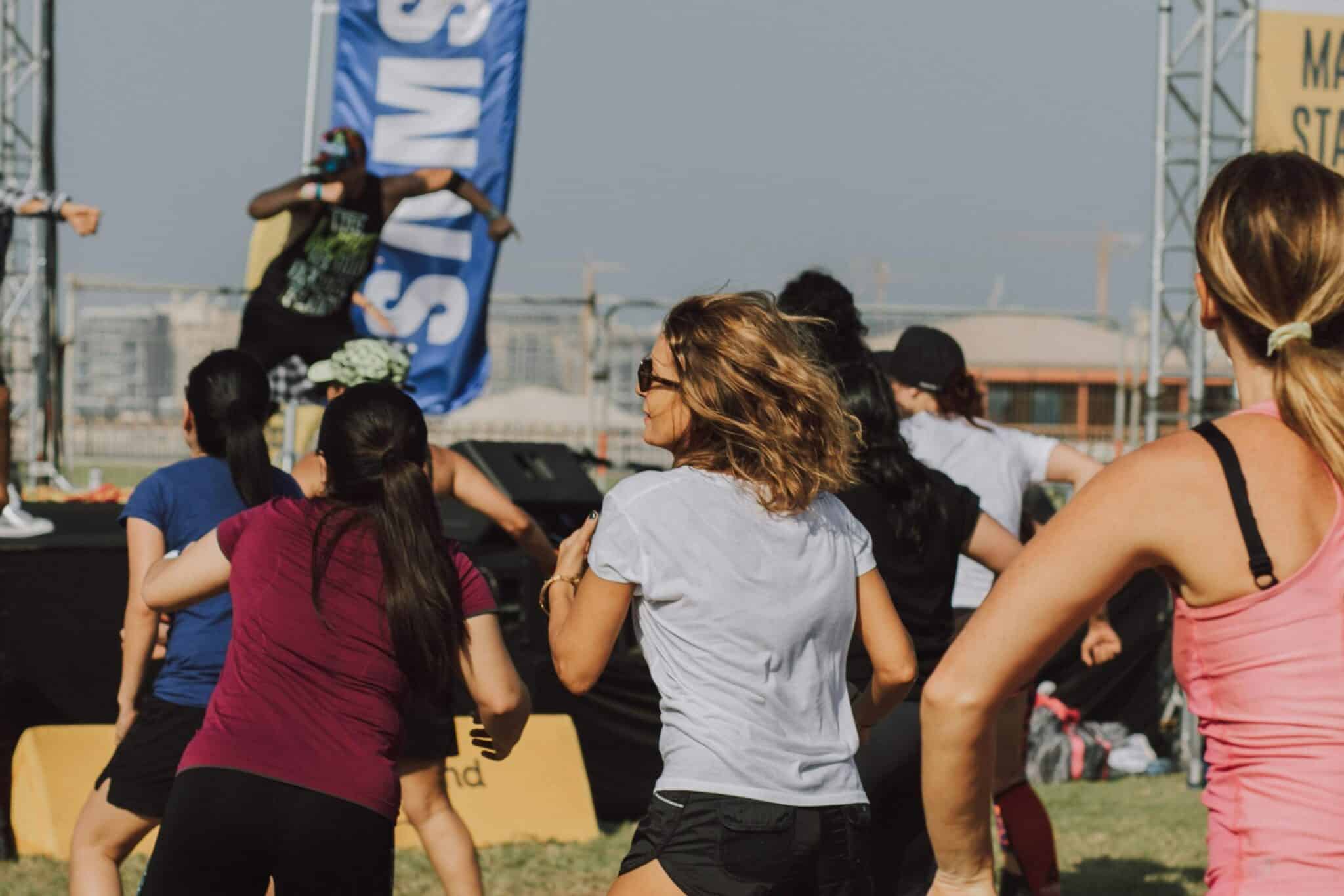
One of Zumba’s greatest strengths is the inclusive community it fosters. Classes attract people of all ages, body types, fitness levels, and backgrounds united by a love of movement and music. This diversity creates an encouraging environment where judgment disappears and celebration of effort takes center stage.
Instructors play a crucial role in cultivating this atmosphere. The best Zumba teachers bring infectious enthusiasm, constantly encouraging participants and emphasizing that mistakes are part of the fun. They modify movements for different ability levels and create choreography that feels achievable while still challenging.
Regular attendance builds relationships that extend beyond the dance floor. Many Zumba communities organize social events, themed classes, and charity fundraisers that deepen connections among members. These friendships provide additional motivation to maintain your practice and integrate fitness more fully into your lifestyle.
🏠 Creating an Effective Home Zumba Practice
Practicing Zumba at home offers flexibility and convenience that complement or replace studio classes. Designate a space with enough room to move freely in all directions—you’ll need approximately six feet in each direction to perform most moves comfortably. Ensure the floor surface isn’t too slippery or too grippy; both can increase injury risk.
Invest in a quality speaker or sound system that delivers clear, powerful audio. Much of Zumba’s motivational effect comes from immersive music, and tinny laptop speakers diminish the experience. A Bluetooth speaker provides excellent sound quality without requiring expensive equipment.
Structure your home sessions similarly to studio classes: start with a 5-10 minute warm-up, progress through 30-40 minutes of main routines, and finish with a cooldown and stretch. This format properly prepares your body, maximizes workout benefits, and reduces injury risk. Set specific practice times to establish consistency and treat your home sessions with the same commitment as scheduled classes.
💡 Tips for Staying Motivated When Dancing Alone
Solo practice requires self-discipline that group settings naturally provide. Create a dedicated playlist with your favorite Zumba tracks to make sessions something you look forward to. Regularly update your playlist to maintain freshness and excitement.
Set concrete goals beyond weight loss—aim to master a specific routine, improve your performance of a challenging move, or complete a certain number of sessions per week. Tracking progress toward these objectives provides tangible milestones that fuel continued effort.
Consider inviting friends or family to join your home sessions occasionally. Even one other person transforms the energy and makes the experience more enjoyable. You might inspire someone else to discover their love of Zumba while reinforcing your own commitment.
🌟 Progressing Beyond Beginner Level
Once basic movements feel comfortable, challenge yourself with intermediate and advanced choreography. These routines incorporate faster pace changes, more complex footwork, and intricate arm styling. The progression naturally improves fitness levels while keeping your practice stimulating and engaging.
Many Zumba practitioners eventually pursue instructor certification, transforming their passion into a teaching opportunity. This path requires dedication and training but offers the reward of sharing Zumba’s benefits with others. Even without formal certification, advancing your skills opens doors to specialized classes like Zumba Toning, Aqua Zumba, or Zumba Gold for active older adults.
Attend Zumba conventions, workshops, or master classes when possible. These events expose you to celebrity instructors, innovative choreography, and the broader Zumba community. The inspiration and techniques you gain at such gatherings reinvigorate your personal practice and expand your movement vocabulary.
🍎 Nutrition Considerations for Zumba Practitioners
While Zumba provides excellent caloric burn, pairing your practice with mindful nutrition maximizes results. Focus on whole foods—fruits, vegetables, lean proteins, whole grains, and healthy fats—that fuel performance and recovery. Adequate protein intake supports muscle repair after intense sessions, while complex carbohydrates provide sustained energy for demanding routines.
Hydration is critical, especially during high-intensity Zumba classes. Drink water before, during, and after sessions to maintain performance and prevent dehydration. If your classes exceed an hour or occur in hot environments, consider beverages with electrolytes to replace minerals lost through sweat.
Avoid heavy meals immediately before dancing, as they can cause discomfort during vigorous movement. Instead, eat a light snack containing both carbohydrates and protein about an hour before class—options like a banana with nut butter or yogurt with granola provide quick energy without weighing you down.
⚡ Preventing Injuries and Listening to Your Body
Zumba’s dynamic movements place demands on joints, muscles, and connective tissues. Proper warm-up and cooldown routines significantly reduce injury risk. Never skip these segments, even when time is limited or you’re eager to dive into the main choreography.
Pay attention to pain signals—distinguish between the healthy burn of working muscles and sharp or persistent pain indicating potential injury. If something hurts beyond normal exertion discomfort, modify the movement or take a break. Pushing through genuine pain leads to injuries that sideline your practice for weeks or months.
Cross-training complements Zumba and builds balanced fitness. Incorporate strength training to support joints and improve power in your movements. Flexibility work through yoga or dedicated stretching enhances range of motion and reduces muscle tension. Rest days are equally important, allowing your body to recover and adapt to training demands.
🎉 Embracing the Zumba Philosophy
At its core, Zumba is about joy, self-expression, and celebrating what your body can do rather than criticizing what it looks like. This philosophy challenges conventional fitness culture’s focus on aesthetics over wellness. When you dance Zumba, you’re not working out to achieve someone else’s ideal—you’re moving because it feels good and makes you happy.
This mindset shift transforms exercise from obligation to celebration. Instead of dreading workouts, you anticipate the next opportunity to dance. This sustainable approach to fitness increases long-term adherence and creates positive associations with physical activity that extend into other areas of life.
Bring the Zumba spirit into your daily routine beyond formal classes. Dance while cooking, move to music during household chores, or take spontaneous dance breaks during work. These micro-moments of joyful movement accumulate throughout the day, increasing total activity levels while infusing ordinary tasks with playfulness and energy.
🚀 Taking Your First Step Today
The perfect time to start learning Zumba is right now. You don’t need to wait until you’re “in shape” or until you’ve learned specific dance skills. Zumba meets you wherever you are in your fitness journey and grows with you as you progress. The first class might feel awkward or overwhelming, but that discomfort quickly transforms into confidence as movements become familiar and your body adapts.
Search for local classes using online directories or gym websites, or download a Zumba app to begin at home. Commit to attending or practicing at least twice per week for a month—this consistency allows your body to adapt and your skills to develop. After thirty days, you’ll notice improvements in stamina, coordination, and probably your mood as well.
Remember that everyone starts somewhere, and even the most skilled Zumba dancers were once beginners learning basic steps. Give yourself permission to be imperfect, to laugh at yourself, and to simply enjoy the experience of moving your body to fantastic music. The physical transformation will come, but the immediate gift is the pure joy of dancing.
Learning to dance Zumba opens doors to a vibrant community, improved health, and a more playful relationship with fitness. It proves that exercise doesn’t have to feel like punishment or tedious obligation. When you blend movement with music, add the energy of others, and release the pressure of perfection, something magical happens. You rediscover the simple pleasure of moving your body—and that rediscovery can change not just your fitness level, but your entire approach to wellness and self-care. So put on your dancing shoes, find your rhythm, and let the Zumba journey begin! 💃✨
