
Anúncios
Losing your keys, wallet, or other personal items can disrupt your day and cause unnecessary stress. Fortunately, modern technology offers smart solutions through specialized applications designed to help you locate lost objects quickly and efficiently.


In our fast-paced lives, misplacing everyday items has become an increasingly common problem. Whether it’s leaving your phone in a restaurant, forgetting where you parked your car, or simply losing track of your luggage at the airport, the frustration is universal. The good news is that technology has evolved to address this challenge head-on.
Anúncios
Object detection applications represent a significant leap forward in personal item management. These innovative tools leverage Bluetooth technology, GPS tracking, and crowd-sourced networks to help users pinpoint the exact location of their belongings. Let’s explore how these applications work and why they’ve become essential tools for millions of people worldwide. 🔍
Understanding How Object Detection Apps Work
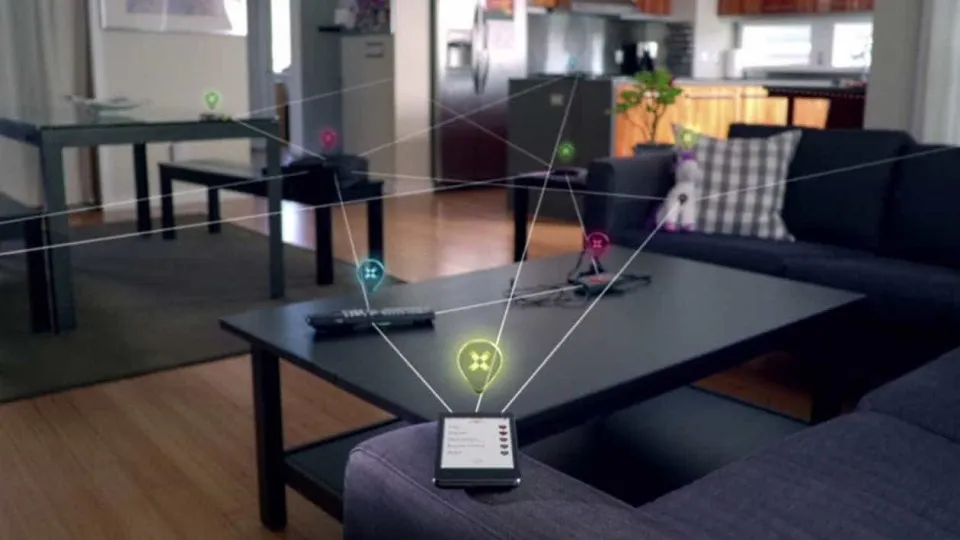
Object detection applications function through a combination of hardware and software integration. The process typically involves attaching a small tracking device to your valuable items, which then communicates with your smartphone through dedicated applications. These trackers use various technologies to establish connection and provide location data.
Anúncios
Bluetooth Low Energy (BLE) technology forms the backbone of most tracking solutions. When your tracked item is within Bluetooth range—usually 30 to 100 meters depending on environmental conditions—the app can detect its precise location. The signal strength indicator helps you navigate closer to your lost item, similar to a digital game of hot and cold.
For items that have traveled beyond Bluetooth range, many applications utilize crowdsourced location networks. When another user of the same tracking ecosystem passes near your lost item, their device anonymously detects the tracker and updates its location on your map. This privacy-focused approach creates an extensive search network without compromising user security.
Key Features That Make These Apps Indispensable 📱
Modern object detection applications come packed with features designed to maximize convenience and effectiveness. Understanding these capabilities helps users choose the right solution for their specific needs and lifestyle requirements.
Real-Time Location Tracking
The core functionality of any object detection app is its ability to show you where your items are located. Through intuitive map interfaces, users can view the last known position of their tracked belongings. The accuracy varies based on the technology used, but GPS-enabled trackers can pinpoint locations within a few meters.
Many applications display location history, allowing you to retrace your steps throughout the day. This feature proves particularly useful when you’re uncertain about when or where you last had the item in question.
Proximity Alerts and Separation Warnings
Prevention is better than cure, and these apps embrace this philosophy through intelligent alert systems. You can set up notifications that trigger when you move too far from a tracked item. Imagine leaving a restaurant without your bag—the app would alert you before you’ve gone too far, potentially saving hours of searching later.
Custom safe zones represent another sophisticated feature. You can designate certain locations, like your home or office, where separation alerts are automatically disabled, preventing unnecessary notifications while keeping you protected everywhere else.
Community Find Network
The power of community transforms individual tracking devices into a global network. When your item goes missing beyond personal Bluetooth range, millions of other users’ devices become your eyes and ears. This anonymous, encrypted system respects privacy while dramatically increasing the chances of recovery.
The network operates silently in the background, requiring no action from other users. Their devices automatically detect nearby trackers and securely report locations to the rightful owners, creating a seamless recovery ecosystem.

Popular Items to Track With These Applications 🎒
While virtually anything can be tracked with the right attachment, certain items benefit most from this technology. Understanding common use cases helps illustrate the practical value these applications provide in daily life.
Keys and Keychains: Perhaps the most common application, attaching a tracker to your keyring ensures you’ll never waste time frantically searching through coat pockets or couch cushions again. The loud ring feature helps locate keys even when they’re hiding in plain sight.
Wallets and Purses: These essential items contain sensitive personal information and financial instruments. Slim tracking cards designed specifically for wallets provide peace of mind without adding bulk. The ability to mark a wallet as lost can even prevent unauthorized use if someone finds it.
Backpacks and Luggage: Travelers particularly appreciate tracking capabilities for bags and suitcases. Whether navigating crowded airports or checking that your luggage actually made it to your destination, these applications eliminate travel anxiety related to lost belongings.
Electronic Devices: Tablets, laptops, cameras, and other portable electronics represent significant investments. Tracking these items provides both recovery assistance and theft deterrence, as the continuous location monitoring makes stolen devices easier to recover.
Pets and Children: While specialized solutions exist for tracking family members and pets, some object detection apps offer compatible wearable trackers. These provide location awareness for beloved pets or give parents peace of mind when children are exploring independently.
Choosing the Right App for Your Needs
The marketplace offers numerous object detection applications, each with unique strengths and characteristics. Making an informed choice requires considering several factors aligned with your personal circumstances and tracking requirements.
Compatibility Considerations
Device compatibility represents the first checkpoint in your selection process. Some tracking ecosystems work exclusively within specific operating systems, while others offer cross-platform functionality. Ensure your chosen solution supports all devices you regularly use, including smartphones, tablets, and computers.
Hardware compatibility matters equally. If you already own tracking devices, verify that your preferred app supports them. Conversely, if you’re starting fresh, consider the availability and cost of compatible trackers before committing to a particular ecosystem.
Network Size and Coverage
The effectiveness of crowdsourced finding networks directly correlates with the number of active users. Larger networks provide better coverage, especially in populated areas. Research the popularity of different tracking ecosystems in your region to maximize recovery chances should items venture beyond personal range.
Geographic coverage also varies between services. Some function optimally in urban environments with dense user populations, while others maintain robust performance in suburban and rural settings through alternative technologies like GPS or cellular connectivity.
Battery Life and Maintenance
Tracking devices require power, and battery longevity varies significantly between products. Some trackers feature replaceable batteries lasting six months to a year, while others include rechargeable batteries requiring regular charging. Consider your tolerance for maintenance when selecting a solution.
Low battery notifications ensure you’re never caught off guard by a dead tracker. Quality applications provide ample warning when battery levels drop, giving you time to replace or recharge before protection lapses.
Privacy and Security Considerations 🔒
While object detection technology offers tremendous convenience, it also raises important privacy questions. Responsible manufacturers and app developers implement robust security measures to protect user data and prevent misuse of tracking capabilities.
Location data encryption ensures that your tracked items’ positions remain private and accessible only to you. End-to-end encryption prevents even the service provider from accessing your specific location information, maintaining confidentiality throughout the tracking process.
Anti-stalking features have become increasingly important as tracking technology has evolved. Modern applications include safeguards that alert users if an unknown tracker appears to be following them, preventing unauthorized tracking and protecting against potential stalking scenarios.
Regular firmware updates address newly discovered vulnerabilities and enhance security protocols. Choosing applications with strong track records of maintaining and improving their security infrastructure provides ongoing protection as threats evolve.
Maximizing the Effectiveness of Your Tracking Setup
Simply installing an application and attaching trackers doesn’t guarantee optimal results. Strategic deployment and thoughtful configuration significantly enhance the utility and reliability of your object detection system.
Strategic Tracker Placement
Position matters when attaching tracking devices. Place trackers in locations that balance accessibility with security—visible enough for Bluetooth signals to transmit clearly, yet concealed enough to avoid easy removal by thieves. For bags and luggage, interior pockets provide excellent compromise locations.
Consider using multiple trackers for high-value items. While this increases cost, it also provides redundancy should one tracker fail or be discovered and removed. This approach proves particularly valuable for expensive equipment or irreplaceable personal items.
Regular Testing and Updates
Periodically verify that your trackers function correctly by intentionally “losing” them in controlled scenarios. Test the range, alert systems, and location accuracy to ensure everything operates as expected when genuine emergencies arise.
Keep applications updated to the latest versions. Developers continuously improve functionality, enhance accuracy, and patch security vulnerabilities through updates. Enabling automatic updates ensures you always benefit from the most current features and protections.
Creating Organized Item Categories
As your collection of tracked items grows, organization becomes increasingly important. Most applications allow custom naming and categorization of trackers. Use descriptive, specific names that immediately clarify which item each tracker represents, especially if you’re monitoring numerous belongings.
Some applications support photo attachments for each tracker. Adding pictures of tracked items helps quickly identify them within the app and can assist recovery efforts if someone else finds your lost belonging.
Real-World Success Stories and Use Cases 🌟
The true measure of any technology lies in its practical impact on users’ lives. Object detection applications have facilitated countless recoveries and prevented innumerable potential losses across diverse situations and circumstances.
Travelers frequently share stories of recovering checked luggage that airlines misrouted or delayed. By tracking bags independently of airline systems, passengers can provide specific location information to baggage services, dramatically accelerating reunion with lost luggage and avoiding the frustration of waiting for airline tracking to update.
Urban commuters have recovered items left on public transportation by tracking them to specific locations, then coordinating with transit authorities for retrieval. The precise location data these apps provide transforms vague “lost somewhere on the subway” scenarios into actionable recovery plans.
Parents report increased peace of mind when children carry tracked items like backpacks or jackets. While not replacing dedicated child safety devices, these applications provide an additional layer of awareness about children’s locations during school activities or social outings.
Pet owners have successfully located escaped animals using tracking collars compatible with object detection applications. The combination of real-time location and community networks has reunited numerous pets with worried families, sometimes across significant distances.
The Future of Object Detection Technology
Innovation in tracking technology continues at a rapid pace, with emerging capabilities promising even greater utility and convenience. Understanding upcoming trends helps users anticipate future possibilities and make forward-thinking investment decisions.
Ultra-wideband (UWB) technology represents the next generation of precision tracking. Offering centimeter-level accuracy compared to the meter-level precision of Bluetooth, UWB enables augmented reality finding experiences where virtual arrows guide you directly to lost items with unprecedented accuracy.
Artificial intelligence integration will personalize tracking experiences by learning your routines and proactively alerting you to unusual patterns. If you typically leave home with your wallet at 8 AM but it’s 7:55 and your wallet remains inside, the system could prompt you before you’ve actually forgotten it.
Extended battery life through energy harvesting technologies may eventually eliminate battery maintenance entirely. Experimental trackers already utilize motion, light, or radio frequency energy to power themselves indefinitely, promising truly maintenance-free tracking solutions.
Integration with smart home ecosystems will create seamless tracking experiences across your entire living space. Imagine your home automatically alerting you if you’re leaving without your phone or keys, or smart speakers announcing the location of requested items on command.
Cost Considerations and Value Assessment 💰
Investing in object detection technology involves both initial hardware costs and potential ongoing subscription fees. Understanding the complete financial picture helps determine whether the investment makes sense for your situation and budget.
Entry-level trackers typically cost between fifteen and thirty dollars per unit, with premium options featuring advanced capabilities reaching fifty dollars or more. Many applications function with free basic services, while premium tiers offering extended history, unlimited items, or advanced features require monthly or annual subscriptions.
When evaluating value, consider the replacement cost and inconvenience of losing tracked items. A thirty-dollar tracker protecting a laptop worth hundreds or thousands of dollars represents minimal insurance. Similarly, the time saved not searching for misplaced keys accumulates significant value over months and years of use.
Multi-pack purchases often provide per-unit discounts, making comprehensive tracking more affordable. If you plan to monitor several items, investing in bundles typically offers better value than purchasing individual trackers as needs arise.
Getting Started With Your First Tracking Setup
Beginning your object detection journey requires just a few simple steps. This straightforward process takes minutes to complete and immediately begins protecting your most important belongings from loss or misplacement.
Start by downloading your chosen application from the appropriate app store and creating an account. Most services require only an email address and password, though some offer enhanced security through two-factor authentication, which I strongly recommend enabling.
Acquire compatible tracking devices either directly from the app developer or through authorized retailers. Verify authenticity to ensure full compatibility and warranty coverage. Counterfeit trackers may offer inferior performance or lack access to important features.
Follow the in-app pairing instructions to connect each tracker to your account. This process typically involves holding the tracker near your phone and pressing a button to initiate pairing. Once connected, assign descriptive names and configure alert preferences for each tracked item.
Attach trackers securely to your chosen items using appropriate methods—adhesive backing for smooth surfaces, keyrings for keys, or specialized cases for electronics. Test each tracker by moving away from it and verifying that the application correctly reports increasing distance.
Troubleshooting Common Issues
Even the most reliable technology occasionally encounters problems. Understanding common issues and their solutions ensures minimal disruption to your tracking capabilities and maintains consistent protection for your belongings.
If a tracker isn’t updating its location, first verify that Bluetooth remains enabled on your smartphone and that the application has necessary location permissions. Both Android and iOS require explicit permission for apps to access location services, and these settings sometimes reset after system updates.
Persistent connection problems may indicate low battery levels in either your tracker or smartphone. Check battery status for both devices and replace or recharge as needed. Environmental factors like metal structures or wireless interference can also disrupt Bluetooth signals temporarily.
Inaccurate location reporting often stems from GPS signal issues or delayed network updates. Moving to open areas with clear sky visibility typically resolves GPS problems, while crowd-sourced location updates may take time to propagate through the network when items are far from other users.
If you’re receiving excessive separation alerts, adjust the sensitivity settings within the application. Most services allow customization of alert distance thresholds and timing to balance protection with convenience based on your specific usage patterns and tolerance for notifications.
Making the Most of Your Investment ✨
Object detection applications represent more than simple gadgets—they’re tools for reclaiming time, reducing stress, and protecting valuable possessions. The peace of mind knowing you can locate important items within moments transforms daily life in subtle but meaningful ways.
By selecting appropriate applications, strategically deploying trackers, and maintaining your tracking ecosystem, you create a reliable safety net for your belongings. Whether recovering truly lost items or simply locating misplaced ones within your home, these applications consistently demonstrate their value through countless small victories.
The technology continues evolving, with each generation offering improved accuracy, extended range, and enhanced features. Early adoption positions you to benefit from these advancements while establishing habits that maximize the protective value tracking provides.
Consider expanding your tracking ecosystem gradually as you experience the benefits firsthand. Start with your most frequently misplaced or valuable items, then add additional trackers as budget allows and tracking proves its worth. This measured approach ensures sustained value without overwhelming initial investment.
Ultimately, object detection applications succeed by doing one thing exceptionally well—giving you control over your belongings’ locations. In our increasingly mobile, fast-paced world, that capability transforms from luxury to necessity, making these applications essential tools for modern life. The small effort required to implement tracking delivers returns far exceeding the minimal investment, one recovered item at a time. 🎯
