
Anúncios
# HTML Article: How to Use Google Maps
Google Maps has revolutionized the way we navigate, explore, and discover places around the world, making it an essential tool for daily life.
Anúncios


Whether you’re planning a road trip, searching for nearby restaurants, or simply trying to find the fastest route to work, Google Maps offers powerful features that go far beyond basic navigation. With billions of users worldwide, this platform has become the go-to solution for location-based services.
Understanding how to leverage all the capabilities of Google Maps can significantly improve your travel experiences, help you discover hidden gems in your city, and save valuable time during your daily commute. Let’s explore everything you need to know to master this incredible tool.
Anúncios
🗺️ Getting Started with Google Maps Basics
Before diving into advanced features, it’s important to familiarize yourself with the fundamental aspects of Google Maps. The interface is designed to be intuitive, but knowing where everything is located will enhance your overall experience significantly.
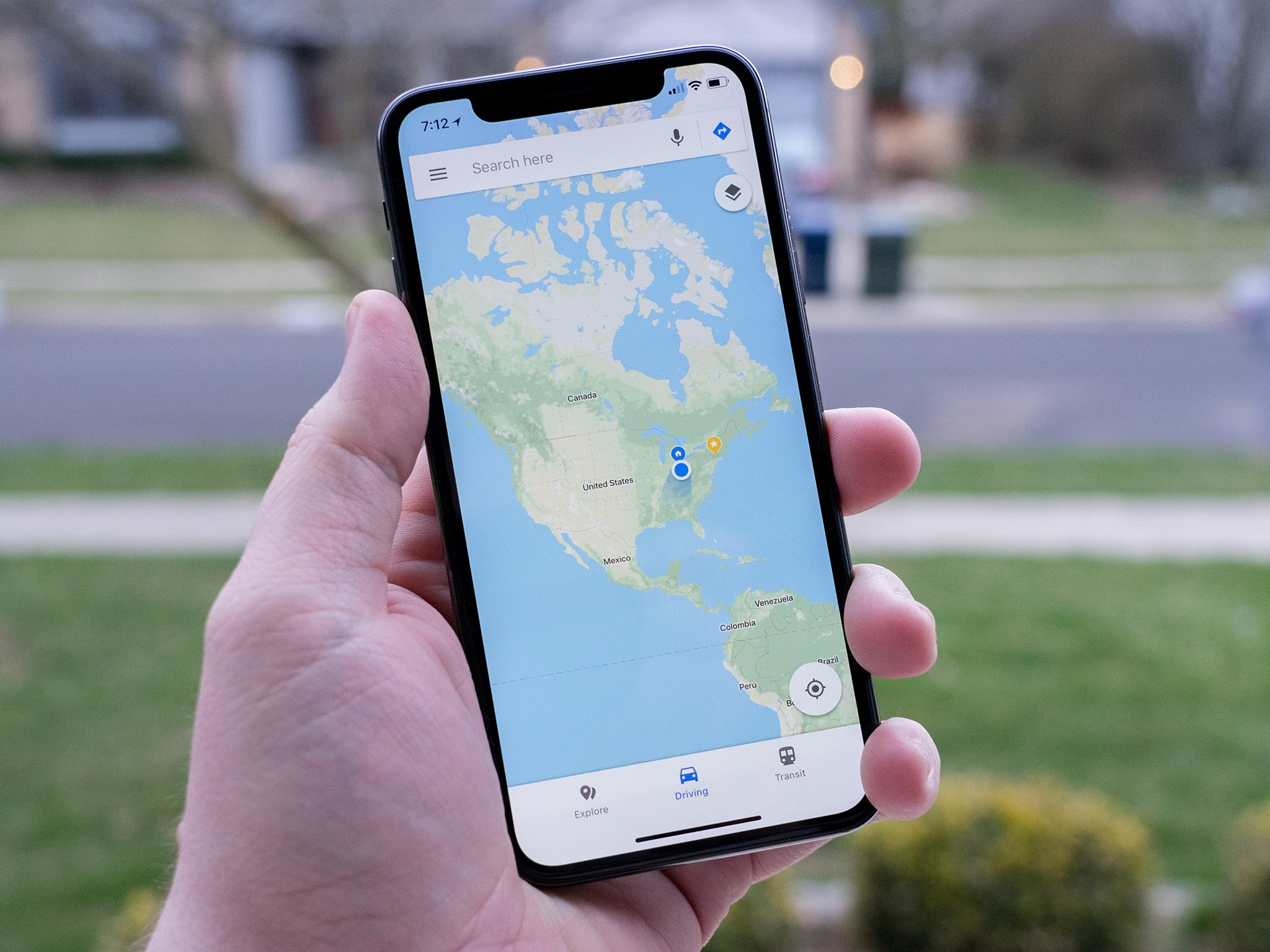
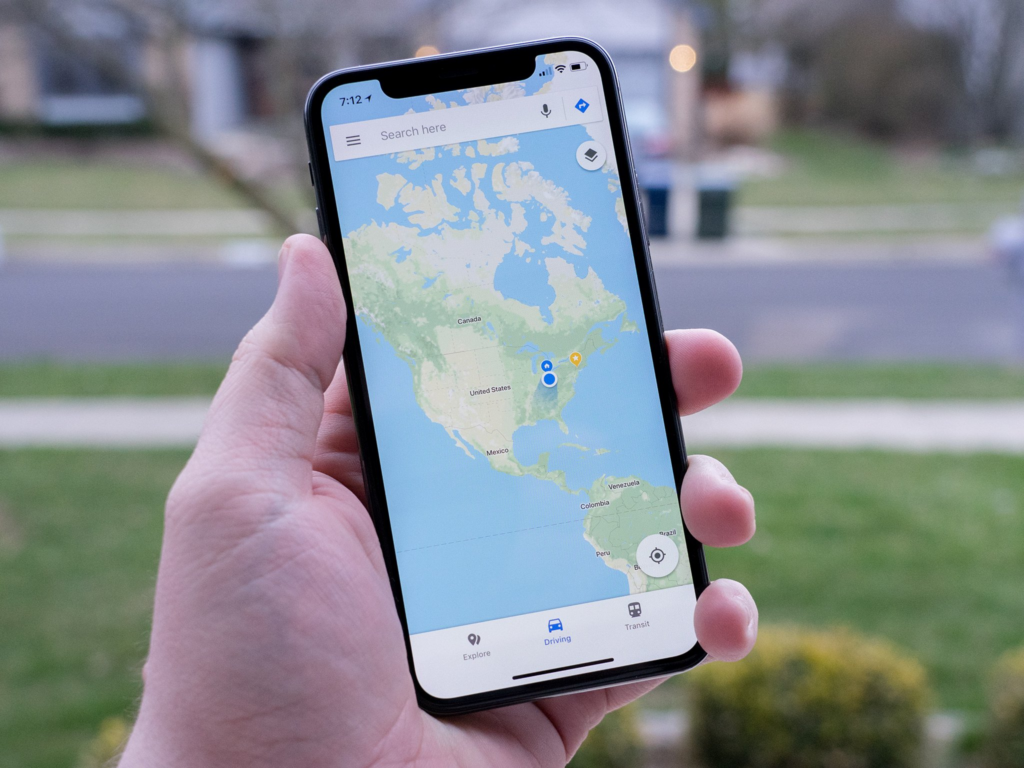
When you first open Google Maps, you’ll see a map view of your current location (if location services are enabled). At the top, there’s a search bar where you can type addresses, business names, or points of interest. The bottom of the screen contains quick-access buttons for exploring, commuting, and saved places.
The main map interface uses colors and symbols to differentiate between roads, buildings, parks, and bodies of water. You can zoom in and out using pinch gestures on mobile devices or your mouse wheel on desktop computers. The compass icon helps you orient the map to face north or return to your current location.
📍 Searching for Locations and Addresses
The search functionality in Google Maps is incredibly powerful and flexible. You can search using complete addresses, partial information, business names, or even general categories like “coffee shops” or “gas stations.”
When you enter a search query, Google Maps displays relevant results as pins on the map and as a list below the search bar. Each result includes the business name, rating, distance from your location, and whether it’s currently open or closed.
Tapping on a specific result reveals detailed information including photos, reviews, contact information, website links, and the option to save the location or share it with others. You can also see popular times, which shows when the location is typically busiest throughout the week.
Using Voice Search Effectively
Voice search makes finding locations hands-free and convenient, especially while driving. Simply tap the microphone icon in the search bar and speak your query clearly. Google Maps can understand natural language, so you can say things like “find the nearest pharmacy” or “navigate to Central Park.”
The voice recognition technology has improved dramatically over the years and can now understand various accents and languages. This feature is particularly useful when you’re multitasking or when typing isn’t practical.
🚗 Navigation and Turn-by-Turn Directions
Getting directions is one of the most popular uses of Google Maps. Once you’ve selected your destination, tap the “Directions” button to see route options. The app automatically detects your current location as the starting point, but you can change this if needed.
Google Maps provides multiple route suggestions, showing estimated travel time, distance, and any traffic delays or road closures. The routes are color-coded to indicate traffic conditions: green for clear roads, orange for moderate traffic, and red for heavy congestion.
You can choose between different transportation modes including driving, public transit, walking, cycling, and ride-sharing services. Each mode provides optimized routes based on the specific requirements of that transportation method.
Customizing Your Navigation Experience
Before starting navigation, you have several customization options. You can avoid tolls, highways, or ferries by accessing the route options menu. This is particularly useful if you prefer scenic routes or want to minimize travel costs.
During navigation, Google Maps provides voice-guided turn-by-turn directions with clear instructions well in advance of each maneuver. The screen displays your current position, upcoming turns, street names, and estimated arrival time that updates in real-time based on traffic conditions.
🚌 Mastering Public Transportation Routes
Google Maps excels at helping you navigate public transportation systems in cities worldwide. When you select the transit option, the app shows you various combinations of buses, trains, subways, and trams to reach your destination.
Each transit route displays departure times, transfer points, walking distances between stations, and the total journey duration. Real-time updates inform you about delays, cancellations, or service changes, helping you make informed decisions about your commute.
The transit feature includes information about fare costs in many cities, accessibility options for wheelchair users, and whether bikes are allowed on specific transit lines. You can also see the location of nearby stations and stops on the map.
⭐ Saving and Organizing Your Favorite Places
One of the most useful features for regular Google Maps users is the ability to save locations. When you find a place you want to remember, tap the “Save” button to add it to your collection.
Google Maps provides default lists including “Favorites,” “Want to go,” and “Starred places,” but you can also create custom lists for different purposes like “Best restaurants,” “Weekend getaways,” or “Work locations.” These lists sync across all your devices when you’re signed in to your Google account.
Saved places appear as icons on your map, making them easy to find when you’re browsing. You can share entire lists with friends and family, which is perfect for collaborative trip planning or recommending spots in your hometown to visitors.
🌍 Exploring Your Surroundings with Discovery Features
Beyond navigation, Google Maps helps you discover new places and experiences in your area or while traveling. The “Explore” tab shows trending locations, popular restaurants, upcoming events, and top-rated attractions near you.
You can filter exploration results by category such as dining, shopping, entertainment, or outdoor activities. Each suggestion includes photos, ratings, price range indicators, and quick facts to help you decide if it’s worth visiting.
The “For You” section provides personalized recommendations based on your search history, saved places, and reviews you’ve left. This tailored approach helps you find spots that match your preferences and interests.
Reading and Contributing Reviews
Reviews are an integral part of the Google Maps experience. Before visiting a location, you can read detailed reviews from other users, see star ratings, and browse photos that customers have uploaded.
Contributing your own reviews helps the community and improves the overall quality of information available. You can rate places from one to five stars, write text reviews, upload photos, answer questions, and update business information if it’s incorrect.
📱 Offline Maps for Travel Without Internet
One of Google Maps’ most valuable features for travelers is the ability to download maps for offline use. This ensures you can navigate even without an internet connection, which is crucial when traveling internationally or in areas with poor cell coverage.
To download an offline map, search for the area you want to save, tap your profile picture, select “Offline maps,” and then “Select your own map.” Draw a box around the area you need, and Google Maps will download that region to your device.
Offline maps include basic navigation features, location search, and turn-by-turn directions. However, some features like real-time traffic updates, public transit information, and business hours won’t be available without an internet connection.
🏠 Using Google Maps for Home and Work Commutes
Setting up your home and work addresses in Google Maps unlocks convenient features designed for your daily routine. The app can provide proactive commute notifications, alerting you to unusual traffic conditions or suggesting earlier departure times.
With one tap, you can start navigation to home or work without typing the address each time. Google Maps learns your typical commute patterns and can suggest alternative routes if your usual path is congested.
The commute tab shows you how long it will take to get home or to work based on current traffic conditions, with options to see routes for different times of the day. This helps you plan departures around rush hour or schedule appointments more effectively.
👥 Sharing Your Location and Trip Progress
Google Maps makes it easy to share your real-time location with friends and family. This feature is particularly useful when meeting up with others, coordinating travel, or letting loved ones know you’ve arrived safely.
You can share your location for a specific duration (15 minutes to several days) or until you manually turn it off. Recipients receive a link that shows your current position on a map, which updates automatically as you move.
During active navigation, you can share your trip progress, which shows not only where you are but also your route and estimated arrival time. This transparency helps others know when to expect you without constant phone calls or text messages.
🚶 Walking and Cycling Navigation Features
When you select walking or cycling as your transportation mode, Google Maps optimizes routes differently than for driving. Walking routes prioritize pedestrian paths, sidewalks, and shortcuts through parks that cars can’t access.
The walking directions include step count estimates and highlight stairs or steep inclines, which is helpful for accessibility planning. You’ll also see prominent landmarks and building names to help orient yourself as you walk.
Cycling routes favor bike lanes, quieter streets, and paths with less traffic when possible. The elevation profile shows hills along your route, helping you prepare for challenging climbs or choose flatter alternatives if preferred.
🎯 Advanced Search Tips and Tricks
Power users can leverage advanced search techniques to find exactly what they’re looking for. You can search for multiple criteria simultaneously, such as “Mexican restaurants open now near me with outdoor seating.”
Using the filter options after searching allows you to narrow results by rating (4+ stars), price range, open hours, or specific amenities like wheelchair accessibility or free Wi-Fi. These filters significantly reduce the time spent scrolling through irrelevant results.
You can also search along your route by tapping the magnifying glass icon during active navigation. This shows gas stations, restaurants, coffee shops, and other stops without leaving navigation mode, displaying how much time each detour would add to your journey.
📊 Understanding Traffic and Travel Time Predictions
Google Maps uses sophisticated algorithms and real-time data from millions of users to predict traffic conditions and calculate accurate travel times. The traffic layer shows current congestion levels color-coded on the roads.
You can view typical traffic patterns for different times and days by selecting a destination and adjusting the departure or arrival time. This historical data helps you choose the best time to travel for important appointments or to avoid rush hour completely.
The app sends notifications about traffic incidents along your saved routes, such as accidents, construction, or road closures. These alerts help you leave earlier or choose alternative paths before you encounter delays.
🏪 Exploring Business Information and Services
Google Maps provides comprehensive business profiles that go beyond basic contact information. You can view menus for restaurants, see available appointments for service businesses, check inventory at retail stores, and even place orders for pickup or delivery directly through the app.
Many businesses use Google Maps to post updates about special hours, safety measures, or new offerings. The Q&A section allows you to ask questions that the business owner or other customers can answer, providing crowd-sourced information that’s often more current than official websites.
🛰️ Street View and Indoor Maps
Street View lets you explore locations virtually before visiting them in person. You can see what a destination looks like from the street, identify nearby landmarks, and get a feel for the neighborhood atmosphere.
To access Street View, drop the yellow person icon (Pegman) onto any blue-highlighted street on the map. You can then navigate by clicking arrows to move forward or dragging to look around in 360 degrees.
Indoor maps are available for many airports, shopping malls, stadiums, and large public buildings. These detailed floor plans help you find specific stores, gates, restrooms, or amenities within complex facilities, reducing stress and saving time during visits.
⚙️ Customizing Settings for Better Performance
Taking a few minutes to adjust Google Maps settings can significantly improve your experience. In the app settings, you can choose your preferred distance units (miles or kilometers), enable or disable voice volume, and adjust navigation settings.
Privacy-conscious users can control their location history, which Google uses to provide personalized recommendations and improve service. You can pause location tracking, automatically delete old data, or review and delete specific entries from your timeline.
Battery-saving features help extend your phone’s life during long navigation sessions. You can reduce brightness, limit background app refresh, or download offline maps in advance rather than streaming data constantly.
🌟 Making the Most of Your Google Maps Experience
Google Maps has evolved from a simple mapping tool into a comprehensive platform for exploration, navigation, and discovery. By understanding and utilizing its various features, you can navigate more efficiently, discover amazing places, and make informed decisions about where to go and how to get there.
Whether you’re a daily commuter, frequent traveler, or occasional user, investing time to learn Google Maps’ capabilities pays dividends through reduced stress, saved time, and enhanced experiences. The app continues to evolve with new features regularly, so staying updated ensures you’re getting maximum value from this powerful tool.
Start exploring these features today, and you’ll quickly wonder how you ever managed without them. From finding the fastest route home to discovering your next favorite restaurant, Google Maps is your trusted companion for every journey, big or small.
