
Anúncios
# HTML Article: Photo and Video Editing Apps – Your Complete Guide
In today’s digital world, creating stunning visual content has become essential for personal branding, social media presence, and creative expression.
Anúncios


Whether you’re a content creator, influencer, small business owner, or someone who simply loves capturing life’s moments, having the right photo and video editing application on your smartphone can transform ordinary footage into extraordinary masterpieces. The evolution of mobile editing technology has democratized content creation, putting professional-grade tools directly in your pocket.
Gone are the days when editing required expensive desktop software and years of training. Modern editing applications combine intuitive interfaces with powerful features, allowing anyone to produce eye-catching content within minutes. From basic adjustments like brightness and contrast to advanced techniques like color grading and motion graphics, these apps offer everything you need to make your visual content stand out in crowded social media feeds.
Anúncios
🎨 Why Mobile Editing Apps Have Revolutionized Content Creation
The shift toward mobile editing represents one of the most significant changes in digital content production. Smartphones now come equipped with cameras that rival professional equipment, and editing applications have evolved to match this quality leap. This convergence means you can shoot, edit, and publish content without ever touching a computer.
Mobile editing apps provide flexibility that desktop software simply cannot match. You can edit while commuting, waiting in line, or relaxing at a café. This accessibility has unleashed creativity for millions who previously felt intimidated by complex editing software. The learning curve has flattened dramatically, with most apps featuring tutorial modes and intuitive gesture controls.
The social media integration built into these applications streamlines your workflow significantly. You can move seamlessly from editing to publishing across multiple platforms with just a few taps. This immediacy helps content creators capitalize on trending topics and maintain consistent posting schedules without the friction of transferring files between devices.
✨ Essential Features to Look for in Editing Applications
When selecting an application for editing photos and videos, certain features separate exceptional tools from mediocre ones. Understanding what to look for helps you choose software that matches your specific needs and creative vision.
Multi-Layer Timeline Editing
Professional-quality video editing requires the ability to work with multiple layers simultaneously. This feature allows you to overlay text, stickers, and additional video clips while maintaining control over each element independently. Apps with robust timeline editors give you precise control over transitions, timing, and synchronization between different media elements.
The timeline interface should be intuitive enough for beginners yet powerful enough for advanced users. Look for applications that support pinch-to-zoom on the timeline, making frame-accurate editing possible even on smaller screens. The ability to split, trim, and rearrange clips effortlessly transforms the editing process from tedious to enjoyable.
Comprehensive Filter and Effect Libraries
Filters remain one of the most popular features in editing applications because they instantly transform the mood and aesthetic of your content. Quality apps offer diverse filter collections ranging from vintage film looks to modern cinematic grades. The best applications allow you to adjust filter intensity, ensuring you achieve subtle enhancements rather than overdone effects.
Beyond static filters, dynamic effects add movement and visual interest to your content. Glitch effects, light leaks, particle systems, and animated textures can elevate your videos from amateur to professional. These effects should be customizable, allowing you to match them to your unique style rather than settling for one-size-fits-all presets.
Audio Editing and Music Integration
Sound design plays an equally important role as visual editing in creating compelling content. Top-tier applications include audio editing features like volume adjustment, fade in/fade out, and the ability to layer multiple audio tracks. Background noise reduction helps clean up footage shot in less-than-ideal acoustic environments.
Music libraries integrated directly into editing apps save time and ensure you’re using royalty-free tracks that won’t trigger copyright issues. The ability to sync your edits to musical beats creates a polished, professional feel. Advanced apps even offer audio visualization features that generate animated waveforms matching your soundtrack.

📱 Optimizing Your Workflow with Advanced Techniques
Mastering basic editing functions represents just the beginning of your creative journey. Advanced techniques separate good content from truly exceptional material that captures attention and drives engagement.
Color Grading for Professional Results
Color grading transforms the emotional impact of your visuals by adjusting hue, saturation, and luminance values. Professional editors spend considerable time perfecting color grades because they dramatically affect how viewers perceive content. Modern mobile apps now include powerful color grading tools previously available only in professional software.
Learning to work with color wheels, curves, and HSL adjustments gives you precise control over every shade in your footage. Consistent color grading across your content creates a recognizable brand aesthetic. Many successful content creators develop signature color palettes that make their work instantly identifiable.
Motion Graphics and Text Animation
Static text overlays work for basic purposes, but animated text elements significantly increase viewer engagement and information retention. Kinetic typography—text that moves in sync with your content—adds energy and professionalism to videos. Quality editing apps provide templates for text animation while also allowing custom animation creation.
Keyframe animation features enable you to create custom motion for any element in your composition. You can make graphics zoom, rotate, fade, or follow complex paths across the screen. This level of control was unimaginable in mobile apps just a few years ago, yet it’s now standard in leading applications.
Speed Ramping and Time Manipulation
Controlling time within your videos creates dramatic effects that captivate audiences. Speed ramping—smoothly transitioning between slow motion and normal speed—adds cinematic quality to action sequences. Reverse playback creates surprising reveals, while freeze frames emphasize key moments.
These temporal effects work particularly well for showcasing products, demonstrating techniques, or adding drama to sports and adventure content. The key lies in using them purposefully rather than excessively. Well-executed time manipulation feels intentional and enhances your story rather than distracting from it.
🎬 Creating Content for Different Platforms
Each social media platform has unique specifications and audience expectations. Successful content creators adapt their editing approach based on where they’ll publish their work. Understanding platform-specific requirements saves time and ensures your content displays properly.
Vertical Video for Stories and Reels
The rise of vertical video formats has fundamentally changed how we approach composition and editing. Stories, Reels, and TikToks all prioritize 9:16 aspect ratio content that fills smartphone screens. Quality editing apps allow you to easily adjust aspect ratios and reframe footage without losing important visual information.
Editing for vertical formats requires different compositional thinking. Important elements should stay within the safe zones, accounting for platform interface elements that overlay your content. Text placement becomes crucial since you’re working with a narrower horizontal space. Many editors now shoot specifically for vertical formats rather than repurposing landscape footage.
YouTube and Long-Form Content Optimization
Long-form video platforms like YouTube require different editing strategies than short-form social media. Pacing becomes more important, as you need to maintain engagement over extended durations. Chapter markers, which some editing apps now support, help viewers navigate longer content and improve retention metrics.
Thumbnail creation tools integrated into editing applications streamline the process of creating eye-catching preview images. Since thumbnails significantly impact click-through rates, having robust text overlay and graphic tools within your editing app eliminates the need for separate design software.
💡 Pro Tips for Faster, Better Editing
Efficiency in editing doesn’t mean rushing through the creative process—it means developing workflows that free up time for experimentation and refinement. These professional techniques help you work smarter while maintaining or improving output quality.
Creating and Using Templates
If you create similar content regularly, templates dramatically reduce repetitive work. Many applications allow you to save project templates with your preferred settings, transitions, and graphic elements already in place. You simply swap in new footage and export, maintaining consistency across your content library.
Template usage extends beyond complete projects. Saving favorite color grades, text animation presets, and transition combinations as reusable elements builds your personal library of go-to effects. Over time, this library becomes a powerful asset that defines your unique editing style.
Batch Editing and Consistency
When editing photo series or multiple similar clips, batch editing features save enormous amounts of time. Applying the same adjustments to multiple files simultaneously ensures visual consistency while reducing manual labor. This approach works particularly well for product photography, event coverage, or any situation involving numerous similar shots.
Developing personal presets for common scenarios—outdoor portraits, indoor product shots, evening cityscapes—allows you to achieve consistent results with minimal adjustment. You can always fine-tune individual images after applying your base preset, but starting from your optimized baseline accelerates the process significantly.
Keyboard Shortcuts and Gesture Controls
Learning your editing app’s gesture controls and shortcuts transforms your efficiency. Instead of hunting through menus for frequently used functions, muscle memory allows you to execute commands instantly. Most apps support common gestures like pinch-to-zoom, two-finger rotation, and swipe actions for timeline navigation.
External keyboard support on tablets brings desktop-like efficiency to mobile editing. If you edit regularly on an iPad or Android tablet, investing time to learn keyboard shortcuts pays dividends in saved time and reduced frustration.
🌟 Emerging Trends in Mobile Editing
The editing app landscape continues evolving rapidly, with new technologies and features emerging constantly. Staying aware of these trends helps you leverage cutting-edge tools before they become mainstream.
AI-Powered Editing Assistance
Artificial intelligence is transforming editing from a purely manual craft into a collaborative process between human creativity and machine efficiency. AI-powered features now handle tasks like automatic background removal, subject tracking, and even generating captions from spoken audio. These tools eliminate tedious manual work, freeing editors to focus on creative decisions.
Smart composition suggestions analyze your footage and recommend crops, rotations, or reframing that follow professional photography principles. While you maintain final creative control, these suggestions often identify improvements you might have overlooked. AI color matching can analyze a reference image and apply its color palette to your footage, making it easier to achieve specific aesthetic goals.
Cloud Collaboration and Project Sharing
Cloud-based features enable seamless work across multiple devices and collaboration with other creators. You can start editing on your phone during your commute, continue on your tablet at home, and fine-tune details on your computer—all working with the same project files. This flexibility removes device limitations from your creative process.
Collaborative editing features allow multiple people to work on the same project simultaneously. This capability proves invaluable for team-based content creation, client feedback integration, and educational scenarios. Real-time commenting and version control prevent the confusion that plagued earlier collaboration attempts.
Augmented Reality Integration
AR effects are moving beyond simple face filters into sophisticated tools for enhancing reality in creative ways. Advanced applications now allow you to place 3D objects in your scenes with realistic lighting and shadow interaction. These capabilities open new possibilities for product demonstrations, educational content, and artistic expression.
The line between shooting and editing continues blurring as real-time effects apply filters and enhancements during recording. This approach provides instant feedback on your creative vision, reducing the gap between capturing footage and seeing the final result. Live preview features ensure you capture exactly what you envision without extensive post-processing.
🚀 Maximizing Your Creative Potential
Technical proficiency with editing software represents only half the equation for creating compelling content. Developing your creative voice and understanding visual storytelling principles transforms competent edits into memorable content that resonates with audiences.
Study content from creators you admire, analyzing their editing choices rather than just consuming their work passively. Notice how they use pacing, transitions, color, and sound to evoke emotions and maintain engagement. Reverse-engineering successful content teaches you techniques you can adapt to your own style.
Experimentation remains crucial for growth. Dedicate time to exploring features you haven’t used, trying effects that seem unconventional, and pushing beyond your comfort zone. Some experiments will fail, but others will become signature elements of your style. The digital nature of editing means experiments cost nothing but time, so embrace creative risks.
Regular practice builds not just technical skills but also creative instincts. The more you edit, the more naturally you’ll recognize which clips work together, when to cut, and how to structure narratives. This intuition develops only through consistent creation, so commit to regular editing sessions even when inspiration feels elusive.
📊 Measuring Success and Iterating Your Approach
Creating content without analyzing its performance means missing valuable opportunities for improvement. Most social platforms provide analytics that reveal how audiences interact with your content. Pay attention to metrics like watch time, engagement rates, and completion percentages—they tell you what resonates with your audience.
A/B testing different editing approaches helps you understand what works for your specific audience. Try publishing similar content with different editing styles, thumbnail designs, or opening sequences. The performance data reveals preferences that might surprise you, guiding future creative decisions.
Community feedback provides qualitative insights that complement quantitative analytics. Engage with comments, ask questions, and create polls to understand what your audience values most in your content. This direct communication builds relationships while providing actionable insights for improving your editing approach.
Remember that success metrics vary based on your goals. A video designed to educate might prioritize watch time and completion rate, while one aimed at awareness might focus on reach and shares. Define success criteria aligned with your objectives before creating content, then evaluate performance against those specific goals.
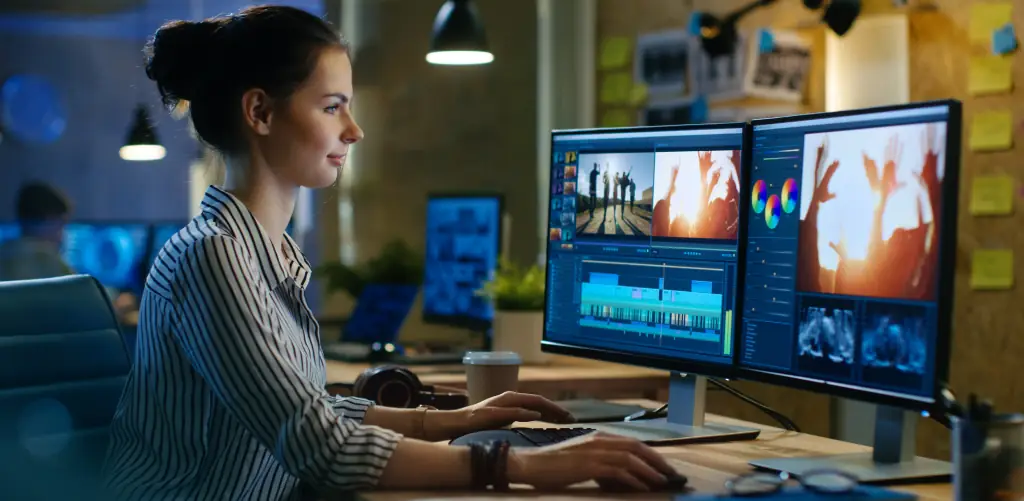
🎯 Taking Your Editing to the Next Level
The journey from beginner to advanced editor never truly ends—there’s always a new technique to master, a creative challenge to overcome, or an emerging tool to explore. Embracing this continuous learning mindset keeps your content fresh and your skills sharp in a rapidly evolving digital landscape.
Investing in your education through online courses, tutorials, and workshops accelerates your growth significantly. Many professional editors share their knowledge through detailed breakdowns of their processes. These resources reveal insider techniques and thought processes that aren’t obvious from simply watching finished content.
Building a portfolio of diverse work demonstrates your range and attracts opportunities. Create sample edits in different styles, experiment with various content types, and showcase your versatility. Even if you specialize in specific content categories, demonstrating broader capabilities proves your technical foundation and creative flexibility.
The most successful content creators view editing not as a technical obstacle but as an integral part of their creative expression. Your editing choices communicate as powerfully as your original footage—they shape viewer perception, control emotional responses, and ultimately determine whether your message resonates. By mastering both the technical and creative aspects of photo and video editing applications, you gain the power to transform ideas into compelling visual stories that captivate and inspire your audience.
