
Anúncios
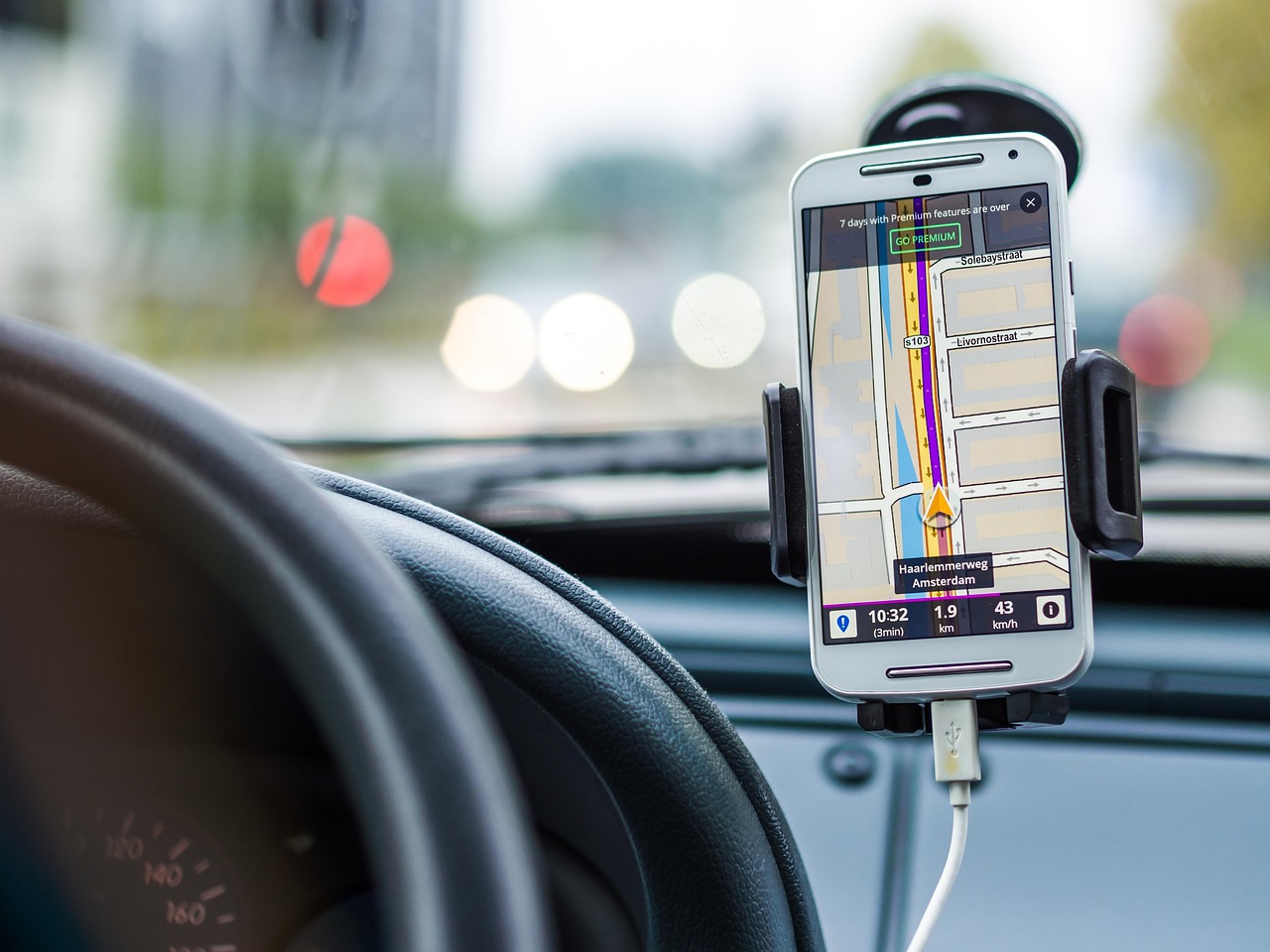
GPS apps have revolutionized the way professional drivers navigate roads, optimize routes, and manage their daily operations with unprecedented efficiency.


Whether you’re a truck driver hauling freight across state lines, a delivery driver navigating busy city streets, or a rideshare operator seeking the fastest routes, specialized GPS applications have become indispensable tools. These sophisticated platforms go far beyond simple turn-by-turn directions, offering features tailored specifically to the unique challenges professional drivers face every day.
Anúncios
From real-time traffic updates and route optimization to vehicle-specific navigation and safety alerts, modern GPS apps are transforming the driving profession. They help reduce fuel consumption, avoid costly delays, ensure compliance with regulations, and ultimately improve both safety and profitability. Let’s explore how these powerful tools are reshaping the landscape for drivers worldwide. 🚛
Why Professional Drivers Need Specialized GPS Applications
Standard consumer GPS apps like Google Maps or Apple Maps work well for passenger vehicles, but they fall short when it comes to the specific needs of commercial drivers. Professional drivers face unique challenges that require specialized navigation solutions designed with their vehicles and regulations in mind.
Anúncios
Commercial vehicles have height, weight, and length restrictions that can make certain routes impassable or illegal. A truck carrying hazardous materials cannot use the same tunnels as a passenger car. Delivery vans need to consider loading zones and parking restrictions. Rideshare drivers benefit from traffic pattern predictions and surge zone identification.
Specialized GPS apps for drivers address these concerns by incorporating vehicle profiles, restriction databases, and industry-specific features. They calculate routes based on your vehicle’s dimensions, avoid roads with weight limits or low bridges, and warn you about upcoming regulations before you encounter problems.
Key Features That Make a Difference 📱
Modern GPS applications designed for professional drivers offer an impressive array of features that directly impact efficiency and safety:
- Vehicle-specific routing: Enter your vehicle’s dimensions, weight, and cargo type to receive routes that accommodate your specifications
- Real-time traffic intelligence: Avoid congestion, accidents, and road closures with live updates from millions of connected users
- Fuel station locators: Find the cheapest fuel along your route, with prices updated in real-time
- Rest stop planning: Identify safe parking areas, truck stops, and facilities that accommodate commercial vehicles
- Speed limit warnings: Stay compliant with visual and audio alerts when approaching or exceeding posted limits
- Offline maps: Navigate confidently even in areas with poor cellular coverage
- Multi-stop optimization: Plan efficient routes with multiple delivery points automatically sequenced for minimal mileage
Top GPS Applications Transforming Professional Driving
The market offers several excellent GPS solutions, each with unique strengths tailored to different types of professional drivers. Understanding which app best suits your specific needs can dramatically improve your daily operations.
Sygic GPS Truck & Caravan 🚚
Sygic has established itself as a leader in professional navigation by creating a comprehensive solution specifically for commercial drivers. The app stands out for its exceptional offline functionality and detailed vehicle profile system.
Drivers can input precise vehicle specifications including height, width, length, weight, axle count, and cargo type. The app then calculates routes that comply with all relevant restrictions, avoiding low bridges, weight-limited roads, and prohibited tunnels. This feature alone has saved countless drivers from expensive fines, damaged vehicles, and dangerous situations.
The offline maps are particularly valuable for drivers who operate in rural areas or cross international borders where data connectivity can be unreliable or expensive. You can download entire countries or regions and navigate without any internet connection, with all features remaining fully functional.

Additional features include dashcam recording, parking assistance, and integration with popular fleet management systems. The Head-Up Display (HUD) mode projects navigation instructions onto your windshield reflection, allowing you to keep your eyes on the road while receiving guidance.
Waze for Professional Navigation
While not specifically designed for commercial vehicles, Waze has become incredibly popular among delivery drivers, rideshare operators, and other professional drivers in smaller vehicles. Its crowdsourced traffic data is unmatched in accuracy and real-time responsiveness.
The app’s community-driven model means millions of users constantly report accidents, hazards, police presence, and traffic conditions. This creates an incredibly dynamic and accurate picture of road conditions that updates by the second. For urban delivery drivers navigating congested city streets, this real-time intelligence is invaluable.
Waze also offers features like planned drives, allowing you to see traffic predictions for future trips, and alternate route suggestions that pop up automatically when faster options become available. The integration with music streaming services and calendar apps adds convenience for drivers spending hours behind the wheel.
CoPilot GPS for Trucks
CoPilot specializes in commercial vehicle navigation with a particular focus on truck drivers. The app includes comprehensive truck restrictions, low clearance warnings, and bridge height databases covering millions of locations across North America and Europe.
One standout feature is the customizable routing preferences. Drivers can choose to avoid toll roads, ferries, highways, or specific countries entirely. The app remembers your preferences and applies them automatically to all future routes, saving time and ensuring consistency.
CoPilot also offers excellent trip planning tools, allowing dispatchers or drivers to plan multi-day routes with predetermined stops. The app calculates realistic arrival times based on legal driving hour limits, mandatory rest periods, and average speeds for commercial vehicles.
Maximizing Efficiency Through Route Optimization 🗺️
One of the most powerful ways GPS apps improve professional driving is through intelligent route optimization. This goes far beyond simply finding the shortest distance between two points—it involves analyzing multiple variables to determine the most efficient path.
Advanced algorithms consider traffic patterns, road types, vehicle specifications, delivery time windows, and fuel consumption to create routes that minimize costs while meeting all operational requirements. For drivers making multiple stops, the difference between an optimized and non-optimized route can amount to hours of saved time and significant fuel savings.
Many GPS apps now incorporate machine learning that improves over time by analyzing your driving patterns. The system learns which routes you prefer, what times you typically drive, and how traffic conditions affect your specific service area. This personalization makes suggestions increasingly relevant and accurate.
Multi-Stop Route Planning
For delivery drivers, couriers, and service technicians, multi-stop route planning is perhaps the most valuable feature modern GPS apps provide. Instead of manually determining the optimal sequence for multiple destinations, the app automatically arranges stops in the most efficient order.
This optimization considers factors like delivery time windows, traffic predictions, one-way streets, and turn restrictions. Some advanced systems even account for the time required at each stop for loading, unloading, or service completion.
Studies show that optimized multi-stop routes can reduce total driving distance by 20-40% compared to manually planned routes. For businesses making dozens or hundreds of deliveries daily, this translates to substantial savings in fuel costs, vehicle wear, and driver hours.
Safety Features That Protect Professional Drivers
Beyond navigation and efficiency, modern GPS apps incorporate numerous safety features designed to protect drivers and reduce accident risks. These tools actively monitor driving conditions and alert drivers to potential hazards before they become dangerous.
Speed limit warnings provide visual and audio alerts when you exceed posted limits, helping drivers avoid tickets and maintain safe speeds appropriate for current conditions. Some apps distinguish between different road types, applying more stringent alerts on residential streets than highways.
Fatigue management features remind long-haul drivers when they’ve been driving for extended periods and need to take mandatory rest breaks. These systems can integrate with Hours of Service regulations to ensure compliance with legal driving time limits.
Weather Integration and Hazard Warnings ⚠️
Progressive GPS apps now incorporate real-time weather data directly into navigation, warning drivers about approaching storms, fog, ice, or other hazardous conditions along their planned route. This allows drivers to adjust speed, modify routes, or delay travel when conditions become dangerous.
Community-reported hazards provide additional safety intelligence. When other drivers report potholes, debris on roadways, disabled vehicles, or animals near the road, these warnings appear in your app, giving you advance notice to navigate carefully through affected areas.
Some advanced systems even detect accidents automatically using phone sensors and can notify emergency services if the driver doesn’t respond within a set time period. This feature has literally saved lives by ensuring rapid response when drivers are incapacitated following collisions.
Fuel Savings and Cost Management 💰
Fuel represents one of the largest expenses for professional drivers, and GPS apps help minimize these costs through several mechanisms. The most obvious is route optimization—shorter, more efficient routes mean less fuel burned.
But modern apps go further by identifying fuel stations along your route and displaying real-time fuel prices. You can set the app to alert you when passing stations with prices below a certain threshold, ensuring you always refuel at competitive rates.
Eco-routing features calculate routes that prioritize fuel efficiency over absolute shortest distance. These routes might avoid steep hills, excessive idling in congested areas, or routes with frequent stop-and-go traffic. Studies indicate eco-routing can reduce fuel consumption by 10-15% without significantly increasing travel time.
Toll Cost Calculation and Avoidance
For drivers operating in regions with extensive toll road networks, GPS apps that calculate and display total toll costs for planned routes provide valuable budgeting information. You can compare routes with different toll expenses and decide whether faster toll routes justify their cost or if alternative free routes make more financial sense.
Some apps allow you to set toll preferences—completely avoid tolls, minimize toll costs, or accept tolls for faster travel. The flexibility ensures you maintain control over operational expenses while still benefiting from intelligent routing.
Integration With Fleet Management Systems
Professional drivers working for larger companies increasingly benefit from GPS apps that integrate with comprehensive fleet management platforms. This integration creates powerful synergies between navigation and operational management.
Dispatchers can send routes directly to driver devices, monitor real-time vehicle locations, and receive automatic notifications when deliveries are completed. This eliminates communication gaps, reduces administrative overhead, and improves accountability throughout the operation.
Electronic logging devices (ELDs) that track driving hours for regulatory compliance often integrate with GPS apps, automatically recording duty status changes and generating required reports. This integration ensures compliance while minimizing the administrative burden on drivers.
Choosing the Right GPS App for Your Driving Needs 🎯
With numerous excellent options available, selecting the GPS app that best matches your specific requirements requires careful consideration of several factors:
Vehicle type: Commercial truck drivers need apps with detailed restriction databases and vehicle profile capabilities. Delivery van drivers might prioritize multi-stop optimization. Rideshare operators benefit most from real-time traffic intelligence and surge zone information.
Operating environment: Drivers in rural areas should prioritize apps with robust offline map capabilities. Urban drivers need apps with accurate real-time traffic data and frequent map updates reflecting construction and road changes.
Budget considerations: Some professional GPS apps require substantial subscription fees, while others offer free basic versions with optional premium features. Calculate the return on investment by considering fuel savings, time efficiency, and avoided fines or damages.
Integration requirements: If you work with fleet management systems, dispatch software, or electronic logging devices, ensure your chosen GPS app offers compatible integration options.
Testing Before Committing
Most premium GPS apps offer free trial periods, allowing you to test functionality with your actual routes and vehicle before committing to a subscription. Take advantage of these trials to evaluate interface intuitiveness, routing accuracy, and feature usefulness in real-world conditions.
Pay attention to how the app handles areas you drive frequently. Does it accurately reflect local restrictions? Are traffic predictions reliable for your typical driving times? Does the voice guidance provide clear, timely instructions?
The Future of GPS Technology for Professional Drivers
GPS technology for professional drivers continues evolving rapidly, with several emerging trends promising even greater capabilities in coming years. Artificial intelligence and machine learning are becoming increasingly sophisticated, enabling predictive routing that anticipates traffic patterns, weather impacts, and operational needs before they occur.
Augmented reality navigation represents an exciting frontier, with systems projecting navigation arrows, lane guidance, and hazard warnings directly onto windshields or smart glasses. This technology keeps drivers’ attention focused on the road while providing navigation information exactly where needed.
Vehicle-to-everything (V2X) communication will allow GPS apps to receive real-time data directly from traffic infrastructure, other vehicles, and emergency services. This connectivity will dramatically improve safety and efficiency by providing earlier warnings about hazards, traffic signal timing information, and optimal speeds for green light progression.
Electric vehicle charging infrastructure integration is becoming essential as commercial fleets electrify. GPS apps will need to locate charging stations, predict charging times, and optimize routes based on vehicle range and charging availability—capabilities already under development.
Making GPS Apps Work Harder for You
To extract maximum value from your GPS app, adopt best practices that leverage all available features. Regularly update maps and software to ensure you have the latest road data, restriction information, and feature improvements.
Take time to fully configure your vehicle profile with accurate dimensions and characteristics. Even small errors in vehicle specifications can result in inappropriate routing that leads to problems.
Engage with the app’s community features by reporting hazards, traffic conditions, and map errors you encounter. These contributions improve data quality for all users while helping you develop a more intuitive understanding of the app’s capabilities.
Review your driving analytics if your app provides them. Many professional GPS apps track metrics like fuel efficiency, idle time, harsh braking events, and route adherence. Analyzing these metrics helps identify improvement opportunities and validates the app’s return on investment.
Transforming Professional Driving Through Smart Navigation 🚀
GPS applications have fundamentally transformed professional driving from a largely intuition-based activity to a data-driven profession. Drivers equipped with these powerful tools navigate more safely, operate more efficiently, and manage their time and resources more effectively than ever before possible.
The investment in a quality GPS app designed for professional drivers pays dividends through reduced fuel costs, fewer traffic violations, minimized vehicle damage from restriction violations, and improved on-time performance. For independent drivers, these benefits directly impact profitability. For fleet operators, the advantages multiply across dozens or hundreds of vehicles.
As technology continues advancing, the gap between drivers using professional-grade GPS apps and those relying on basic consumer navigation or paper maps will only widen. The operational advantages, safety improvements, and cost savings these applications provide have moved them from optional conveniences to essential tools for success in the modern driving profession.
Whether you’re hauling freight across continents, delivering packages in bustling cities, or transporting passengers through urban jungles, the right GPS application serves as your co-pilot, navigator, safety advisor, and efficiency consultant—all in one powerful digital package. The question is no longer whether to use a professional GPS app, but rather which one best serves your unique needs and how quickly you can integrate it into your daily operations.
