
Anúncios
Learning to fish opens the door to relaxation, adventure, and a deeper connection with nature, whether you’re casting from shore or boat.


Fishing is more than a hobby—it’s a timeless skill that brings peace, challenge, and reward in equal measure. For beginners, the journey from casting your first line to landing your first catch can feel overwhelming, but with the right guidance, anyone can master the basics and enjoy the thrill of the catch.
Anúncios
This comprehensive guide will walk you through everything you need to know to start fishing from scratch. From choosing the right equipment to understanding fish behavior, we’ll cover the essential techniques, tips, and strategies that will set you up for success on the water. 🎣
Why Start Fishing Today?
Fishing offers benefits that extend far beyond simply catching fish. It’s a mindful activity that reduces stress, encourages outdoor exploration, and provides quality time with friends and family. Studies show that spending time near water significantly improves mental health and overall well-being.
Anúncios
Moreover, fishing teaches patience, observation skills, and respect for the environment. Whether you’re looking for a weekend escape or a lifelong passion, fishing adapts to your lifestyle and preferences. You can fish solo for quiet reflection or make it a social activity with loved ones.
The beauty of fishing lies in its accessibility. You don’t need expensive gear or exotic locations to get started. Local ponds, rivers, and coastal areas offer excellent opportunities for beginners to learn and grow their skills progressively.
Understanding Your Fishing Environment 🌊
Before you cast your first line, familiarize yourself with where you’ll be fishing. Different water bodies host different fish species, each requiring specific approaches and techniques.
Freshwater fishing typically takes place in lakes, rivers, streams, and ponds. These environments are home to species like bass, trout, catfish, and panfish. Freshwater locations are generally more accessible for beginners and require less specialized equipment.
Saltwater fishing occurs in oceans, bays, and estuaries. This environment presents unique challenges including tides, currents, and larger, more powerful fish species. Saltwater gear must withstand corrosive conditions, making it slightly more expensive than freshwater equipment.
Consider starting with freshwater fishing if you’re a complete beginner. The learning curve is gentler, and you’ll develop fundamental skills that transfer easily to saltwater fishing later on.
Essential Fishing Gear for Beginners
One of the most common mistakes new anglers make is purchasing too much equipment too soon. Start with the basics and expand your tackle box as you gain experience and discover your preferences.
The Rod and Reel Combination
Your rod and reel are the foundation of your fishing setup. For beginners, a spinning rod and reel combo offers the best balance of versatility, ease of use, and affordability. Look for a medium-action rod between 6 to 7 feet in length.
The reel should be appropriately sized for your rod, typically a 2500 or 3000 series spinning reel works well for general freshwater fishing. Many sporting goods stores sell complete combos that are pre-matched and ready to use straight out of the package.
Avoid ultra-cheap equipment that will break easily, but you don’t need top-tier gear either. A quality beginner combo should cost between $50 to $100 and will serve you well for years as you develop your skills.
Fishing Line Fundamentals
Fishing line comes in three main types: monofilament, braided, and fluorocarbon. For beginners, monofilament is the most forgiving and easiest to manage. It stretches slightly, which helps prevent line breaks when a fish strikes hard.
Choose a line weight (test strength) appropriate for your target species. For general freshwater fishing, 6 to 10-pound test monofilament works excellently. The line should match your rod’s recommended specifications, usually printed near the handle.
Learn to spool your reel properly to prevent line twist and tangles. Most tackle shops will spool your reel for free or a small fee when you purchase line from them—a service worth taking advantage of as a beginner.
Hooks, Weights, and Terminal Tackle
Your tackle box should include a variety of hooks in different sizes. Aberdeen, octopus, and circle hooks are versatile choices for beginners. Size 6 to 2/0 covers most freshwater applications.
Split shot weights and slip sinkers allow you to adjust your bait’s depth and presentation. Start with an assortment pack that includes multiple sizes. You’ll also need bobbers (floats) to suspend bait at specific depths and indicate when fish are biting.
Don’t forget practical accessories: needle-nose pliers for removing hooks, line clippers or scissors, and a small first-aid kit. A simple tackle box or bag will keep everything organized and accessible on the water.

Choosing the Right Bait and Lures 🐟
The eternal question in fishing: live bait or artificial lures? Both have advantages, and most experienced anglers use both depending on conditions and target species.
Live Bait Options
Live bait is incredibly effective, especially for beginners. Fish naturally recognize these food sources and strike confidently. Nightcrawlers (earthworms) are universally effective for nearly all freshwater species and easy to find at bait shops or even in your backyard after rain.
Minnows work exceptionally well for predatory fish like bass, pike, and walleye. They require a bit more care to keep alive but can produce outstanding results. Crickets and grasshoppers are excellent for panfish and smaller species during warmer months.
Store live bait properly in cool, aerated containers. Change water regularly for minnows, and keep worms in breathable containers with soil or bedding. Fresh, lively bait always outperforms sluggish or dying bait.
Artificial Lures for Beginners
Artificial lures allow you to cover more water and target active, aggressive fish. Start with a small selection of proven lures: soft plastic worms in natural colors, inline spinners, and small crankbaits.
Soft plastics are versatile and affordable. Rig them on a jig head or use a Texas rig for weedless presentations. Work them slowly along the bottom with gentle hops and pauses to mimic injured prey.
Spinners create flash and vibration that attract fish from a distance. Simply cast and retrieve at a steady pace, varying your speed until you find what triggers strikes. Rooster Tail and Mepps spinners have proven themselves for decades.
Mastering Basic Casting Techniques ⚡
Proper casting technique prevents tangles, increases accuracy, and allows you to fish more efficiently. With a spinning reel, the overhead cast is your foundational technique.
Hold the rod with your dominant hand, placing your index finger on the line against the rod. Open the bail with your other hand. Bring the rod back smoothly over your shoulder to about the 1 o’clock position, then accelerate forward, releasing the line at approximately 10 o’clock.
Practice in an open area like a park before heading to the water. Use a practice plug (a weighted casting aid without hooks) to develop muscle memory. Focus on smooth acceleration rather than using raw power—accuracy comes from technique, not strength.
The sidearm cast is useful when fishing under overhanging trees or in tight spaces. The motion is similar to the overhead cast but executed horizontally. This cast requires more practice but greatly expands where you can effectively fish.
Understanding Fish Behavior and Location 🐠
Successful fishing requires thinking like a fish. Understanding what fish need to survive helps you predict where they’ll be and when they’ll feed most actively.
Fish require three basic things: food, oxygen, and cover. They position themselves where these elements converge. Structure like fallen trees, rock piles, weed beds, and docks provide ambush points for predators and shelter for prey species.
Temperature dramatically affects fish activity. Most species have preferred temperature ranges and will move to find comfortable water. In summer, fish often go deeper where water is cooler, or they may be more active during early morning and evening hours.
Weather patterns influence fishing success. Overcast days often produce better fishing than bright, sunny conditions because fish feel more secure moving into shallower water. Light rain can trigger feeding activity, while heavy storms typically shut down the bite.
Reading the Water Like a Pro
When you arrive at a new fishing spot, take time to observe before you cast. Look for signs of fish activity: jumping or rolling fish, diving birds, ripples and swirls, or baitfish schools near the surface.
In rivers and streams, fish conserve energy by positioning themselves where current is reduced. Look for eddies, seams where fast and slow current meet, behind boulders, and in deeper pools. These areas concentrate both fish and their food sources.
In lakes and ponds, focus on transitions and edges. Where shallow water drops off into deeper water, where weeds meet open water, or where different bottom compositions meet—these are highways and hunting grounds for fish.
Points of land that extend into the water act as funnels for fish movement. Inlets and outlets where streams enter or exit lakes concentrate nutrients and oxygen, attracting fish year-round. These high-percentage areas should always be on your list to check.
Setting the Hook and Fighting Fish 💪
Detecting bites takes practice and varies by technique. With a bobber, you’ll see it dip, dart sideways, or disappear beneath the surface. When bottom fishing, you’ll feel taps, tugs, or steady pressure on the line.
When you detect a bite, resist the urge to immediately yank the rod skyward. With most setups, a firm, smooth hookset at about shoulder height drives the hook home effectively. The phrase “set the hook with authority, but not aggression” captures the right approach.
Once hooked, keep steady pressure on the fish but allow your rod and drag system to do the work. Hold your rod at about a 45-degree angle, which provides optimal flex to absorb runs and head shakes. Never point the rod directly at the fish—this removes the rod’s shock-absorbing capability.
Larger fish will make powerful runs. Let them take line against your drag rather than trying to muscle them in immediately. Tire the fish gradually by maintaining pressure and gaining line when possible. Patient, methodical fighting lands more fish than aggressive, rushed techniques.
Catch and Release Best Practices 🔄
Whether you’re keeping fish for the table or releasing them, proper handling ensures sustainability and respects the resource. Many waters have specific regulations regarding size and bag limits—always check local rules before fishing.
When practicing catch and release, minimize the time fish spend out of water. Wet your hands before handling fish to protect their protective slime coating. Use barbless hooks or pinch down barbs with pliers to enable faster, less damaging hook removal.
Support the fish horizontally, never squeezing or holding fish vertically by the jaw alone (except for species like bass where this is safe). Avoid touching the gills, which are extremely delicate and essential for survival.
Revive exhausted fish before release by holding them upright in the water, gently moving them forward and backward to force water through their gills. When the fish swims away strongly under its own power, you’ve successfully released it to fight another day.
Safety Considerations on the Water ⚠️
Fishing is generally safe, but water environments present unique hazards. Always tell someone where you’re fishing and when you expect to return. Carry a charged cell phone in a waterproof case for emergencies.
Wear a personal flotation device (life jacket) when fishing from boats, kayaks, or near swift current. Even strong swimmers can be overcome by unexpected situations. Modern fishing PFDs are comfortable and designed specifically for anglers’ needs.
Sun protection is critical. Wear a hat with a brim, polarized sunglasses to protect your eyes and help you see into the water, and apply waterproof sunscreen regularly. Reflected light off water intensifies UV exposure significantly.
Be aware of weather changes, especially lightning. If you hear thunder or see lightning, get off the water immediately. Lightning is attracted to the highest objects, and a person holding a graphite fishing rod on open water represents a prime target.
Learning from Every Fishing Trip 📚
Keep a fishing journal or use fishing apps to record details about each outing. Note the date, time, weather conditions, water temperature, what you caught, and what techniques worked. Patterns will emerge that dramatically improve your success rate.
Don’t be discouraged by difficult days—even expert anglers get skunked regularly. Each trip teaches valuable lessons, whether you catch fish or not. Pay attention to what didn’t work as much as what did; elimination strategies are equally valuable.
Connect with local fishing communities through clubs, online forums, or social media groups. Experienced anglers generally love sharing knowledge with enthusiastic beginners. You’ll learn regional techniques, discover productive spots, and make friends who share your passion.
Consider hiring a fishing guide for a half-day trip. Professional guides provide concentrated learning experiences that can accelerate your skills dramatically. The investment pays dividends in knowledge that applies to all your future fishing adventures.
Seasonal Fishing Strategies Throughout the Year 🌤️
Fish behavior changes dramatically with seasons, requiring adaptive strategies. Spring fishing typically involves targeting shallow waters as fish move from deep winter haunts to spawn. Water temperatures gradually warming trigger increased feeding activity.
Summer presents challenges with hot temperatures pushing fish deeper or into shaded areas. Early morning and evening hours—when temperatures cool—often produce the best action. Target areas near springs, inflows, or deeper water with better oxygen levels.
Fall fishing can be spectacular as fish feed aggressively to build reserves before winter. Cooler water temperatures bring fish back to shallow areas, and they’re less selective about baits. This season offers some of the year’s best opportunities for beginners.
Winter fishing requires patience and slower presentations. In regions where water doesn’t freeze, fish remain active but considerably less so. Downsize your baits, slow your retrieves, and focus on deeper areas where temperatures remain most stable.
Building Your Skills Over Time 🎯
Fishing mastery is a lifelong journey with endless room for growth. Start with one technique and one species, building confidence before expanding your repertoire. Focused practice produces better results than trying to learn everything simultaneously.
Challenge yourself progressively. Once you’re consistently catching panfish, target larger species like bass or catfish. Try different techniques: if you’ve mastered live bait, experiment with artificial lures. Variety keeps fishing exciting and develops versatile skills.
Watch instructional videos, read books and articles, and observe successful anglers whenever possible. The fishing community offers abundant free education for those willing to seek it out. Apply new knowledge on the water systematically, giving techniques fair trials before abandoning them.
Most importantly, fish often. Skills deteriorate without practice, and regular time on the water keeps your abilities sharp while deepening your intuitive understanding of fish behavior and water reading. Even short, frequent trips outweigh occasional marathon sessions for skill development.
Respecting the Environment and Fishing Ethics 🌱
Responsible anglers practice conservation and stewardship. Pack out all trash, including tangled line which endangers wildlife. Pick up litter you find, even if it’s not yours—leave every fishing spot cleaner than you found it.
Follow all fishing regulations regarding licenses, seasons, size limits, and bag limits. These rules exist to ensure sustainable fisheries for future generations. Reporting violations you witness helps protect the resource we all enjoy.
Practice selective harvest, keeping only what you’ll eat and releasing the rest. Larger, older fish are often the best breeders—releasing trophy-sized fish helps maintain healthy populations. Take photos for memories rather than unnecessarily keeping fish as trophies.
Respect private property and other anglers. Give fellow fishermen plenty of space, never crowding popular spots. Keep noise levels reasonable, and always ask permission before crossing private land to access water. Building positive relationships ensures continued access for everyone.
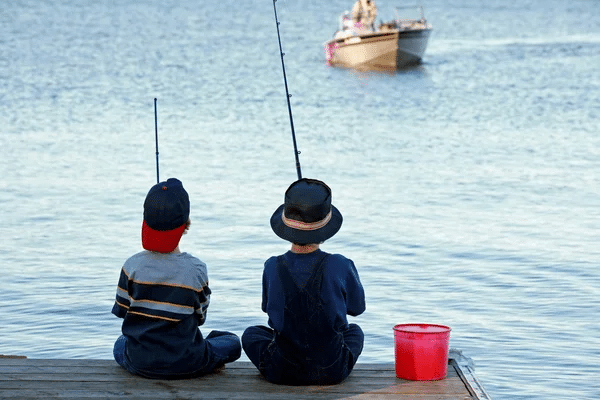
Your Journey Begins Now 🚀
You now have the foundational knowledge to begin your fishing journey with confidence. Remember that every expert angler started exactly where you are now—as a curious beginner taking those first uncertain steps.
Start simple, be patient with yourself, and embrace the learning process. Some days the fish will cooperate abundantly, while other days will test your persistence. Both types of days contribute equally to your growth as an angler and your appreciation for the sport.
The beauty of fishing lies not just in the catch but in the entire experience—the peaceful morning on the water, the excitement of a strike, the satisfaction of mastering new techniques, and the stories you’ll create along the way. These moments accumulate into a lifetime of treasured memories.
Gather your basic gear, research local fishing spots, and set a date for your first trip. The water is waiting, fish are feeding, and your fishing adventure is about to begin. Every cast brings possibility, every trip offers discovery, and every fish has a lesson to teach. Welcome to the timeless pursuit of angling—your next great catch awaits! 🎣
