
Anúncios
Living systems innovation is transforming how we interact with nature, technology, and each other—creating pathways toward a truly sustainable future that balances human needs with planetary health.
🌱 Understanding Living Systems Innovation: Nature’s Blueprint for Tomorrow
Living systems innovation represents a fundamental shift in how we approach problem-solving and design. Rather than imposing linear, mechanistic solutions onto complex challenges, this paradigm draws inspiration from nature’s 3.8 billion years of research and development. Ecosystems have already solved many of the problems we face today—from energy efficiency to waste elimination, from resilient networks to adaptive governance structures.
Anúncios
The core principle is simple yet profound: nature operates in cycles, not lines. Everything that one organism discards becomes food for another. Energy flows through systems efficiently, materials circulate endlessly, and adaptation happens continuously. When we apply these principles to human systems—our cities, economies, technologies, and social structures—we unlock unprecedented potential for sustainability and regeneration.
This approach goes beyond biomimicry or simply copying nature’s forms. Living systems innovation involves understanding the deep patterns and principles that allow natural systems to thrive and persist, then translating those insights into human contexts. It’s about creating systems that are inherently regenerative rather than extractive, collaborative rather than competitive, and adaptive rather than rigid.
Anúncios
🔄 The Circular Economy: Closing the Loop on Waste
One of the most powerful applications of living systems thinking is the circular economy model. Traditional linear economies follow a “take-make-dispose” pattern that generates massive waste and depletes finite resources. In contrast, circular economies mimic natural ecosystems where waste doesn’t exist—outputs from one process become inputs for another.
Companies worldwide are embracing circular principles with remarkable results. Fashion brands are designing clothes that can be completely disassembled and recycled. Electronics manufacturers are creating modular devices where components can be easily upgraded or replaced. Food companies are transforming organic waste into valuable products like biofuels, animal feed, or soil amendments.
Key Strategies for Circular Innovation
- Design for Disassembly: Products created so components can be easily separated and recycled or repurposed at end-of-life
- Material Passports: Digital records tracking materials throughout their lifecycle, enabling efficient recovery and reuse
- Service-Based Models: Shifting from ownership to access, keeping products in circulation longer while reducing overall consumption
- Industrial Symbiosis: Networks where waste from one industry becomes raw material for another
- Biological Cycles: Ensuring organic materials safely return to soil, completing nutrient cycles
The economic benefits are substantial. Studies suggest circular economy approaches could generate trillions in economic value while drastically reducing environmental impact. More importantly, they create resilient systems less vulnerable to resource scarcity and supply chain disruptions.
🏙️ Regenerative Cities: Urban Ecosystems That Give Back
Cities currently consume over 75% of global resources and produce most greenhouse gas emissions, yet they also represent our greatest opportunity for transformation. Regenerative urban design treats cities as living systems that can actively improve rather than degrade their environments.
Singapore’s transformation into a “City in a Garden” demonstrates this potential beautifully. Vertical gardens purify air while reducing urban heat island effects. Integrated water management systems harvest rainwater, treat wastewater naturally through constructed wetlands, and reuse water multiple times. Green corridors connect fragmented habitats, supporting biodiversity while providing residents with nature access.
Copenhagen’s ambitious carbon-neutral goals showcase how cities can become energy-positive. District heating systems capture waste heat from power generation and industrial processes. Buildings are designed to generate more energy than they consume. Transportation infrastructure prioritizes walking, cycling, and electric public transit, creating healthier, more livable neighborhoods.
Essential Elements of Regenerative Urban Systems
Green infrastructure forms the foundation—parks, gardens, green roofs, and permeable surfaces that manage stormwater naturally while sequestering carbon and supporting wildlife. These aren’t mere amenities but critical infrastructure that performs essential ecological functions.
Distributed energy systems replace centralized grids with resilient networks of solar panels, wind turbines, and battery storage. Communities become energy producers, not just consumers, enhancing both sustainability and energy security.
Local food systems integrate urban agriculture throughout cities—from rooftop farms to vertical growing facilities, community gardens to edible landscapes. This reduces transportation emissions, enhances food security, and reconnects people with food production.
💡 Biomimetic Technology: Innovation Inspired by Nature
Nature has already engineered solutions to challenges we’re only beginning to address technologically. Biomimetic innovation translates biological strategies into human technologies with extraordinary results.
Consider photosynthesis—the process by which plants convert sunlight, water, and carbon dioxide into energy and organic compounds. Scientists are developing artificial photosynthesis systems that could produce clean fuels while removing CO2 from the atmosphere. These technologies mimic the molecular machinery plants have perfected over millions of years.
Material science is being revolutionized by biological inspiration. Spider silk proteins are being synthesized to create fibers stronger than steel but completely biodegradable. Structures inspired by abalone shells produce ceramics that are remarkably tough yet formed at room temperature without toxic chemicals. Packaging materials modeled on mycelium networks decompose harmlessly after use.
| Natural System | Principle | Human Application | Impact |
|---|---|---|---|
| Coral Reefs | Self-assembling structures from seawater minerals | Low-energy concrete alternatives | Reduced construction emissions |
| Termite Mounds | Passive temperature regulation | Energy-efficient building ventilation | 90% reduction in cooling energy |
| Whale Fins | Tubercles reduce drag | More efficient wind turbines | 20% increase in energy generation |
| Lotus Leaves | Self-cleaning surfaces | Coating for buildings and textiles | Eliminates need for cleaning chemicals |
Computational systems are increasingly adopting biological approaches. Neural networks mimic brain structures. Genetic algorithms evolve solutions through variation and selection. Swarm intelligence coordinates distributed systems without central control—similar to how ant colonies or bird flocks operate with remarkable efficiency despite having no leader.
🌾 Regenerative Agriculture: Healing the Land That Feeds Us
Industrial agriculture has degraded vast ecosystems, depleted soils, and contributed significantly to climate change. Regenerative agriculture reverses this trajectory by working with natural systems rather than against them.
The core insight is that healthy soil is a living ecosystem, not an inert medium for chemical inputs. Regenerative practices build soil health through diversity, living roots, minimal disturbance, and integration of livestock. The results are remarkable—increased yields, improved water retention, enhanced resilience to extreme weather, and significant carbon sequestration.
Cover cropping protects and nourishes soil between cash crops, preventing erosion while fixing nitrogen and feeding soil microorganisms. Crop rotation breaks pest cycles and balances nutrient demands. No-till or minimal-till practices preserve soil structure and the intricate fungal networks that help plants access nutrients and water.
Holistic grazing management mimics how wild herbivores historically moved across landscapes—concentrated herds that stimulate plant growth, incorporate organic matter into soil, then move on before overgrazing occurs. This approach can transform degraded grasslands into thriving ecosystems while producing nutritious food.
Measuring Regenerative Success 🎯
Progressive farmers and researchers are developing comprehensive metrics beyond simple yield measurements. Soil organic matter percentage indicates carbon storage and fertility. Biological diversity—from soil microbes to beneficial insects—reflects ecosystem health. Water infiltration rates show improved soil structure. These indicators demonstrate that regenerative practices create genuine ecosystem improvements, not just sustainable maintenance of degraded systems.
🔬 Synthetic Biology: Programming Living Systems
Advances in genetic engineering and synthetic biology are enabling us to program living organisms to perform specific functions—essentially using cells as microscopic factories. This powerful technology offers solutions to challenges that traditional chemistry and manufacturing struggle to address sustainably.
Microorganisms are being engineered to produce everything from insulin and spider silk proteins to biofuels and biodegradable plastics. These biological production systems operate at ambient temperatures using renewable resources, contrasting sharply with energy-intensive conventional manufacturing.
Bioremediation employs modified organisms to clean up pollution. Bacteria that digest oil spills, plants that extract heavy metals from contaminated soil, and fungi that break down plastics are becoming valuable environmental restoration tools. These living systems work continuously, adapt to conditions, and often improve over time—capabilities no mechanical system can match.
However, synthetic biology raises important ethical and safety questions. How do we ensure engineered organisms don’t disrupt ecosystems if released? Who controls these powerful technologies? How do we balance innovation with precaution? Thoughtful governance frameworks that involve diverse stakeholders are essential as these technologies develop.
🤝 Collaborative Networks: Ecosystem Thinking for Organizations
Natural ecosystems thrive through collaboration and symbiosis as much as competition. Mycorrhizal fungi connect trees, facilitating nutrient exchange and communication. Pollinators and flowering plants have co-evolved mutually beneficial relationships. These patterns offer profound lessons for how human organizations and economies can function.
Business ecosystems are replacing traditional competitive models in many sectors. Companies are forming networks where participants specialize, collaborate, and create value collectively that none could achieve individually. Open-source software communities demonstrate how collaborative innovation can outpace proprietary approaches. Sharing economy platforms connect resources with needs, increasing utilization efficiency.
This shift requires new mindsets and metrics. Instead of zero-sum competition where one party’s gain is another’s loss, ecosystem thinking emphasizes positive-sum outcomes where collaboration creates shared value. Success is measured not just by individual growth but by overall system health and resilience.
Building Resilient Networks
Diverse connections create resilience. Ecosystems with many species and relationship types withstand disruptions better than monocultures. Similarly, organizations and communities with diverse relationships, skills, and perspectives adapt more successfully to change.
Redundancy—often seen as inefficiency in linear systems—provides essential backup capacity in living systems. Multiple pathways for energy, nutrients, or information ensure that if one route fails, others maintain system function. This principle applies equally to supply chains, energy grids, and social networks.
Feedback loops enable self-regulation. Natural systems continuously sense conditions and adjust accordingly—maintaining dynamic equilibrium without central control. Organizations that build effective feedback mechanisms become self-organizing and adaptive, responding rapidly to opportunities and challenges.
🌍 Social Innovation: Communities as Living Systems
Living systems principles apply to social structures as powerfully as to ecological and technological systems. Communities function as complex adaptive systems where relationships, flows of resources and information, and emergent properties determine collective wellbeing.
Transition Towns exemplify this approach, creating community-led initiatives to build resilience and sustainability. These movements focus on relocalization—strengthening local food systems, energy production, and economies. They emphasize participation, skill-sharing, and collective action, creating social fabric alongside practical infrastructure.
Platform cooperatives apply ecosystem thinking to digital economies. Rather than extractive platforms where owners capture value created by users, cooperative platforms distribute ownership and governance among participants. This creates more equitable, resilient economic structures aligned with community needs rather than solely maximizing profit extraction.
Participatory governance models recognize that effective decision-making in complex systems requires diverse input and distributed intelligence. When communities engage meaningfully in shaping their futures, solutions emerge that are more creative, contextually appropriate, and widely supported than top-down mandates.
⚡ Energy Systems: Flowing Like Nature
Natural systems run entirely on renewable energy flows—primarily sunlight—captured and utilized with remarkable efficiency. Our energy transition must similarly shift from depleting finite carbon stocks to harnessing endless energy flows from sun, wind, water, and geothermal sources.
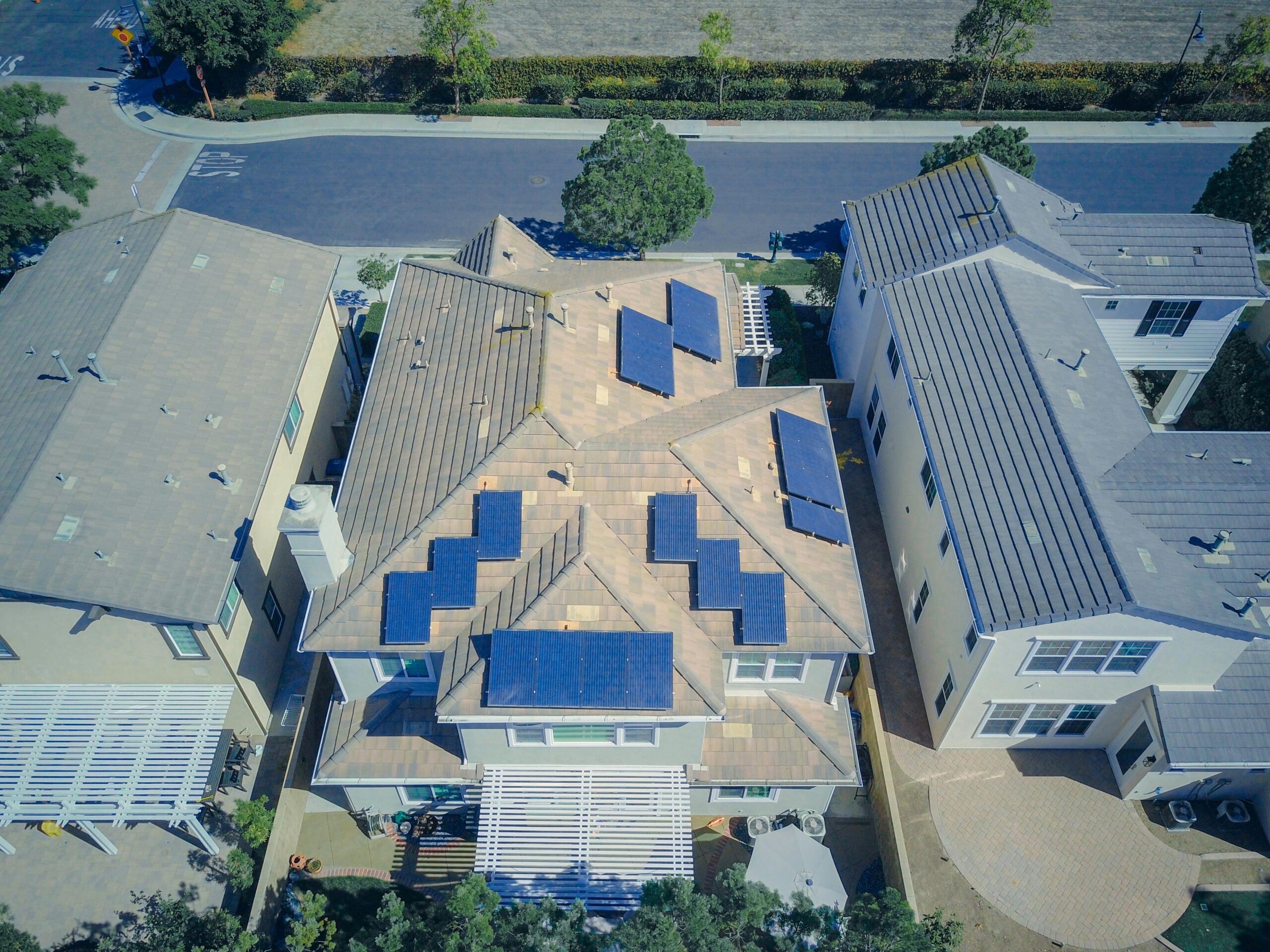
Distributed renewable energy systems mimic natural patterns better than centralized fossil fuel infrastructure. Solar panels on millions of rooftops, small-scale wind turbines, micro-hydro installations—these create resilient networks where energy is generated close to where it’s used, reducing transmission losses and vulnerability to disruptions.
Energy storage technologies—from advanced batteries to pumped hydro, thermal storage to hydrogen production—provide the flexibility that intermittent renewable sources require. Just as ecosystems store energy in various forms, our energy systems need diverse storage strategies matched to different timescales and uses.
Smart grids employ principles of distributed intelligence and self-organization. Rather than rigidly controlling energy flow from generation through transmission to consumption, these systems enable dynamic balancing where distributed sources and storage respond to real-time conditions, optimizing efficiency without centralized command.
🚀 Implementation Pathways: Making Living Systems Innovation Real
Understanding living systems principles is one thing; implementing them is another. Successful transformation requires strategies that work with existing systems while progressively shifting toward regenerative approaches.
Start with leverage points—places where small changes create disproportionate impacts. In a business, this might be redesigning one product line using circular principles, then expanding successful strategies. In a community, it could be converting one neighborhood street into a green corridor, demonstrating benefits that inspire broader transformation.
Build literacy and capacity. Living systems thinking represents a different worldview for people trained in mechanistic, linear paradigms. Education, training, and experiential learning help individuals and organizations develop the mindset and skills needed for this approach. Sharing stories of successful implementations inspires and guides others.
Create supportive policy environments. Regulations designed for linear systems often impede circular and regenerative approaches. Progressive policies remove barriers, provide incentives, and establish standards that favor sustainable innovation. Carbon pricing, extended producer responsibility, and procurement policies favoring regenerative products can accelerate transitions.
Foster collaboration across disciplines and sectors. Living systems challenges don’t respect traditional boundaries. Solutions emerge when ecologists work with engineers, when businesses partner with communities, when technologists collaborate with social scientists. Cross-pollination generates innovation that siloed thinking cannot achieve.
🌟 Your Role in This Revolutionary Transformation
Every individual can contribute to living systems innovation, regardless of role or resources. The choices we make as consumers, citizens, professionals, and community members shape our collective future.
Support regenerative businesses and circular products. Your purchasing decisions send powerful market signals. Choose products designed for longevity and recyclability. Favor companies transparent about their environmental and social impacts. Participate in sharing economies that increase resource efficiency.
Advocate for systemic changes. Individual actions matter, but systemic transformation requires policy shifts and institutional changes. Vote for leaders who prioritize sustainability. Support organizations working for regenerative systems. Use your voice to demand that institutions align with ecological principles.
Learn and share. Deepen your understanding of living systems principles and their applications. Share knowledge with others. Teach children to see themselves as part of interconnected systems rather than separate from nature. Cultural transformation underpins all other changes.
Experiment and innovate in your sphere of influence. Whether you’re redesigning a business process, starting a community garden, or reimagining your household systems, apply living systems thinking to whatever you can influence. Small experiments generate learning, demonstrate possibilities, and often inspire broader adoption.
The revolution toward a sustainable future through living systems innovation isn’t coming—it’s already underway. From laboratories developing biomimetic materials to farms rebuilding soil health, from cities reimagining urban infrastructure to communities creating new economic models, transformation is happening. The question isn’t whether this shift will occur, but how quickly and completely we’ll embrace it. Your participation in this revolutionary movement determines not just your own future, but the legacy we leave for generations to come. The time to engage is now, and the possibilities are boundless.
